



What Happens to my Trust When I Cannot Manage it Anymore?
Start Planning Your FutureWhen people come to us to create a revocable living trust, we walk them through how they can properly manage and maintain the trust so that they can get the most benefit from it. However, there will come a time when, eventually, someone else will have to manage your trust for you. Though we have touched on this topic before, today we thought we would take a little closer look at how the transfer of trust management duties takes place.
Trusts, Trust Management, and Trustees
Most people who create a revocable living trust in the Colorado Springs or Denver, Colorado area will serve as their own trustee. This means that the management responsibilities will fall on your shoulders. But if you manage your trust, what happens when you have to step aside? Who will step in to manage your trust for you?
The answer to this is the successor trustee. When you create the trust document you will choose one or more people who will be able to serve as the replacement trustee when you are no longer able to carry out the trustee’s duties. This person, or organization, will receive the authority to manage trust property when you can no longer serve.
Voluntary Transfer of Trust Management Duties
There are two general ways in which the transfer of trust duties takes place. The first, and easiest, is the voluntary transfer. If you are the trustee of a living trust, all you have to do to effectively transfer trust management responsibilities to the successor is to draft a transfer letter. Most trusts have terms that allow you, as the trustee, to transfer your responsibilities in this manner.
Assuming you are still mentally competent, you can draft your letter, submit it to the successor trustee, and upon receiving it, the successor trustee will effectively become the new trustee.
Involuntary Transfer of Trust Management Duties
Voluntary transfers of trust management responsibilities are not always possible. For example, what if you are involved in a serious accident tomorrow, and subsequently became incapacitated? Because you are hospitalized and otherwise unable to make decisions, you would not be able to voluntarily transfer your trust management responsibilities to the successor trustee. So, in this situation, how does the successor trustee take over?
In this situation, the terms you included in the trust document when you created it will determine how the transfer of power must take place. Some people, for example, require two physicians to certify that the original trustee is no longer capable before the successor trustee can take over. In other situations, the trust terms might require the successor trustee to have a court determine that the original trustee is incapacitated. This is why it is so important to discuss the issue with your estate planning attorney before you draft your trust, so you can be clear about the transfer details.
We Can Answer Your Questions
If you have further questions on this subject, contact our office. We look forward to serving you!
Start Planning Your Future
Contact Us & We’ll Guide You Through Your Next Steps!
Required Fields*
Your Information Is Safe With Us.
We respect your privacy. The information you provide will be used to answer your question or to schedule an appointment if requested.
Our Practice Areas in Colorado Springs and Denver
At Hammond Law Group, we focus on helping Colorado families build strong, forward-looking estate plans that protect assets and preserve family harmony.


Real Clients, Real Reviews

Getting Started Has Never Been Easier — Attend a Workshop or Webinar
At Hammond Law Group, we believe that the foundation of good estate planning lies in knowledge and understanding. Our approach starts with education. Join our highly informative workshop on wills, trusts, estate planning, and more, where we provide you with comprehensive information to get you started in designing your personalized plan.
By attending our workshop or webinar, you not only … exclusive offer of a complimentary consultation with an experienced attorney
(a $500-750 value).
Our workshops fill up quickly so reserve your seat today.
Your Experienced Estate Planning & Elder Law Advisors
We have a team-centered approach. While each client’s family works with one attorney, our attorneys regularly discuss the design of our plans with each other in order to ensure we’re doing everything possible to help you meet your goals.
In addition, each client works primarily with one paralegal, who gets to know you and your estate plan intimately through the design and
implementation process. The biggest complaint people have about
lawyers is lack of communication, and by working as a team we have
virtually eliminated this complaint for our clients.
Learn more about our family and then let us learn more about yours.
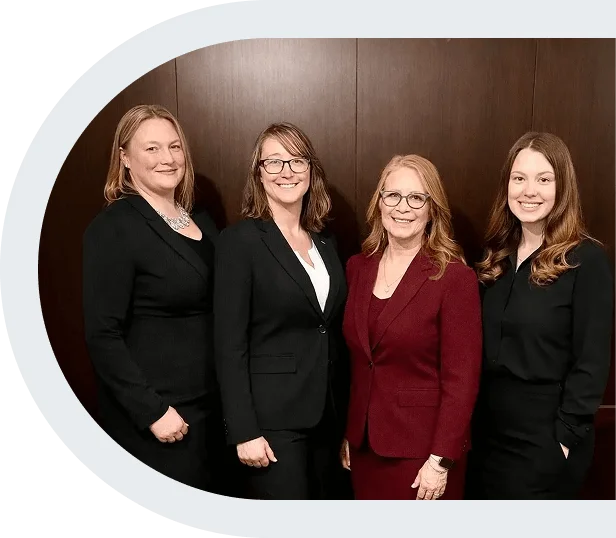
Meet Hammond Law Group Team
At Hammond Law Group, our estate planning attorneys work together to create meaningful, lasting estate plans for Colorado families. Each member of our team shares a commitment to personal connection, clear communication, and compassionate service.





Professional Associations






Questions or Schedule A Consultation? Click to Call (719) 520-1474
Questions or Schedule A Consultation? Click to Call (719) 520-1474
our Recent Blogs

This Year, Finally Check Estate Planning Off Your List
This Is the Year You Finally Check It Off the List There’s something…


How Is Trust Handled After Death in Colorado?
When a loved one passes away, many families face a difficult question:…

Local Law Firm Encourages Community to Re-Imagine Their Relationship with Death
Colorado Springs, CO., September 25, 2017 – Hammond Law Group of Colorado…
Our Locations
Hammond Law Group PC
Colorado Springs, CO
2955 Professional Place, Ste 300, Colorado Springs, CO 80904
(719) 520-1474
(719) 520-1474
Hammond Law Group PC
Denver, CO
865 Albion Street, Ste 250, Denver, CO 80220
(303) 736-6060
(303) 736-6060