



Three Stages of Care in Life & How to Plan for Them
Start Planning Your Future
Our clients take the time to create a comprehensive estate plan. Members of our Legacy Protection Plan know that signing and forgetting about their documents provides a recipe for disaster. They send their successor trustees to our annual workshops, Trustee School 100 and 200. They write a letter of intent to guide their successor trustees, they write legacy letters to their loved ones that provide them with support and encouragement long after their deaths. Our clients “have the conversation” with their loved ones where they discuss their understanding of quality of life to preserve their lives rather than postponing their deaths. Their families are prepared.
In other words, our best clients spend the time making sure their investment in estate planning documents actually works when the time comes, by educating themselves and their families.
Most of our clients agree with us that investing in a revocable living trust–based estate plan provides additional security and protection, especially for incapacity. With a co-trustee or successor trustees in place, our clients can access all of their financial resources to support them in the event of sudden incapacity. Incapacity rarely comes as a complete surprise. As our population ages, more and more of us will be dealing with one or more chronic diseases.
“Older adults are disproportionately affected by chronic conditions, such as diabetes, arthritis, and heart disease. Nearly 95% percent have at least one chronic condition, and nearly 80% have two or more.”
Incapacity comes slowly to those of us dealing with chronic diseases. In many cases, there is a predictable progression. In the case of dementia, for example, families could understand as soon as a diagnosis that extra care at home will be required at some point. If a person with dementia lives long enough, a residential care community with a memory care capacity will likely be a good option.
The problem is that most families remain uninformed about the progression of these chronic diseases. They are often surprised at predictable developments and unaware of their options for care and support. Families try harder and harder to care for their chronically ill loved ones in isolation. This leads to frustration and disillusionment as efforts feel inadequate to meet the increasing care needs as illness progresses. This is often compounded by the emotional burden of losing a loved one slowly, especially in dementia.
Our savvy clients understand that they are not experts at managing the medical aspects of chronic diseases. They visit professionals and specialists to help manage these illnesses. They also understand that they are not experts at managing the increasing need for care as these diseases progress.
Life Care Planning and Elder Care Coordination offer solutions at every stage of care:
1. Stage One – Healthy and Ready to Plan
Create a Life Plan for your stages of care: This is the least urgent but best time to get your plan in place. Prior to a diagnosis, our wisest clients develop a Life Plan which prepares for what happens when inevitable decline might occur. They create foundational legal documents, visit assisted living homes, evaluate options near their children, and consider the cost of care. Many purchase long-term care insurance or ensure they have resources to pay out of pocket.
The average cost of a residential care community in the US is over $9,000 per month, with an average stay of over 3 years. Planning ahead prevents financial shock. The best protection is staying healthy; the next best is having a Life Plan.
Stage One provides the most planning options. Most long-term care insurance is only available prior to diagnosis.
“Multiple chronic diseases account for two-thirds of all health care costs and 93% of Medicare spending. Yet, less than 3% of U.S. health care dollars is spent on prevention.”
2. Stage Two – After the Diagnosis, Creating a Life Care Plan
In the early stages of an illness, more options remain. Planning becomes more urgent because the illness trajectory is now known. Clients update documents, refine their care plan, and research communities with memory care options. They analyze what long-term care insurance covers and what additional resources may be needed.
At this stage, options become more limited and care plans more specific. Financial planning time may also be reduced.
3. Stage Three – Crisis Management
Many families only seek help in crisis. For example, when a caregiver becomes suddenly unavailable, families discover safety issues and urgent care needs. Crisis requires immediate solutions—often temporary residential care or emergency in-home care.
It is far easier when planning is done early and finances have been prepared. Crisis planning often forces compromises based on limited time and available resources.
“Chronic diseases can limit daily activities, cause loss of independence, and require in-home caregivers, institutional care, or long-term services.”
Most families eventually need help with elder care, and many find that traditional estate planning documents don’t address long-term care needs. Life Care Plans fill this gap. The earlier a family starts, the more options they have.
At Stage Three, planning focuses on immediate needs and putting out fires. Options may be limited, and financial burdens greater.
Conclusion
As families age, chronic illnesses become more common. Many illnesses follow predictable patterns that allow for planning. But most families remain uninformed, isolated, and unprepared—emotionally, physically, and financially. Planning early protects your loved ones and ensures better care options later.
Do yourself and your loved ones a favor—schedule a meeting with our elder care coordinator.
Data: https://ncoa.org/article/get-the-facts-on-healthy-aging
Read more:
The Missing Link in Thriving as You Age
Don’t miss out on these upcoming Life Care Planning and Care Coordination Workshops:
Workshop for all Hammond Law Group Clients and General Public:
The Plan You’ve Surely Overlooked: How Life Care Planning Secures Your Future
Thursday, August 31st at 4:00pm Colorado Springs & Live Webinar Via Zoom
Exclusive Legacy Protection Plan Workshop:
The Secret to Your Dream Retirement: How Care Coordination Saves You from a Living Nightmare
Thursday, June 15, 2023 – 4 pm Colorado Springs & Live Webinar via Zoom
Check out all our workshops:
Start Planning Your Future
Contact Us & We’ll Guide You Through Your Next Steps!
Required Fields*
Your Information Is Safe With Us.
We respect your privacy. The information you provide will be used to answer your question or to schedule an appointment if requested.
Our Practice Areas in Colorado Springs and Denver
At Hammond Law Group, we focus on helping Colorado families build strong, forward-looking estate plans that protect assets and preserve family harmony.


Real Clients, Real Reviews

Getting Started Has Never Been Easier — Attend a Workshop or Webinar
At Hammond Law Group, we believe that the foundation of good estate planning lies in knowledge and understanding. Our approach starts with education. Join our highly informative workshop on wills, trusts, estate planning, and more, where we provide you with comprehensive information to get you started in designing your personalized plan.
By attending our workshop or webinar, you not only … exclusive offer of a complimentary consultation with an experienced attorney
(a $500-750 value).
Our workshops fill up quickly so reserve your seat today.
Your Experienced Estate Planning & Elder Law Advisors
We have a team-centered approach. While each client’s family works with one attorney, our attorneys regularly discuss the design of our plans with each other in order to ensure we’re doing everything possible to help you meet your goals.
In addition, each client works primarily with one paralegal, who gets to know you and your estate plan intimately through the design and
implementation process. The biggest complaint people have about
lawyers is lack of communication, and by working as a team we have
virtually eliminated this complaint for our clients.
Learn more about our family and then let us learn more about yours.
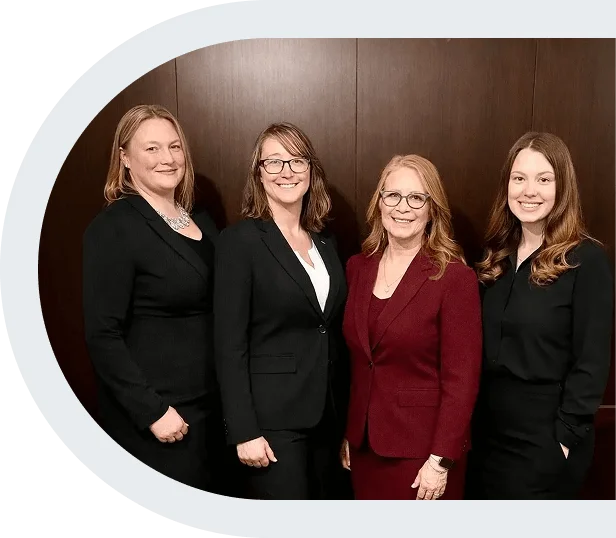
Meet Hammond Law Group Team
At Hammond Law Group, our estate planning attorneys work together to create meaningful, lasting estate plans for Colorado families. Each member of our team shares a commitment to personal connection, clear communication, and compassionate service.





Professional Associations






Questions or Schedule A Consultation? Click to Call (719) 520-1474
Questions or Schedule A Consultation? Click to Call (719) 520-1474
our Recent Blogs

This Year, Finally Check Estate Planning Off Your List
This Is the Year You Finally Check It Off the List There’s something…


How Is Trust Handled After Death in Colorado?
When a loved one passes away, many families face a difficult question:…

Local Law Firm Encourages Community to Re-Imagine Their Relationship with Death
Colorado Springs, CO., September 25, 2017 – Hammond Law Group of Colorado…
Our Locations
Hammond Law Group PC
Colorado Springs, CO
2955 Professional Place, Ste 300, Colorado Springs, CO 80904
(719) 520-1474
(719) 520-1474
Hammond Law Group PC
Denver, CO
865 Albion Street, Ste 250, Denver, CO 80220
(303) 736-6060
(303) 736-6060