



Practical Precautions When Using Payable-on-Death Accounts
Start Planning Your FuturePayable-on-death accounts are commonly used assets that many people choose to include in their estate plans. Payable-on-death accounts include bank accounts, investment accounts, and other financial assets that allow you to name the beneficiary who will inherit the account upon your death. Unlike accounts that do not have a payable-on-death beneficiary, these types of assets do not have to go through the probate process.
However, while payable-on-death accounts do have the obvious benefit of avoiding probate, there are some significant issues you need to be aware of before you choose to include them in your plan. Here are some practical precautions you should take when including payable-on-death accounts in your estate plan.
Be clear what effect your payable-on-death account will have on your overall inheritance plan
Many people use payable-on-death accounts because they are easy to set up, easy to manage, and easy to transfer. However, you have to use these accounts in light of the other inheritance planning choices you make. Failing to do so can cause an unexpected iniquity.
For example, let’s say that you have three children. In your estate plan, you decide to divide your estate equally between each of those three children. However, you also decide that you will want one of your children to serve as the executor of your estate, and plan on transferring that child the funds in a payable-on-death account in order for the child to use them during the estate settlement process. You do this by naming a child as the beneficiary of the payable-on-death account.
When it comes to distributing your inheritances, this choice will naturally lead to an imbalance. Even if the imbalance is only slight, any perceived imbalance can easily lead to family conflicts. Not only that, if the account holds significant funds, the transfer can lead to a significantly different inheritance planning result than you had originally intended.
Make sure you are clear about how your estate will pay debts
In some situations, leaving a payable-on-death account can complicate the estate settlement process if your estate doesn’t have enough money to pay back any leftover debt. If, for example, your estate administrator has to pay taxes, debts, or other estate expenses in there aren’t enough funds available, the administrator might have to try to bring the payable-on-death account assets back into the estate. This can often be time-consuming and expensive, further adding to the costs associated with settling the estate. However, with proper planning, you can use a payable-on-death account to ensure that the executor will have enough funds available to easily pay off estate debts without undue delay.
Further Understanding Estate Planning
For more information on estate planning, come to one of our complementary workshops. Check out our upcoming workshop dates on our workshop page.
Start Planning Your Future
Contact Us & We’ll Guide You Through Your Next Steps!
Required Fields*
Your Information Is Safe With Us.
We respect your privacy. The information you provide will be used to answer your question or to schedule an appointment if requested.
Our Practice Areas in Colorado Springs and Denver
At Hammond Law Group, we focus on helping Colorado families build strong, forward-looking estate plans that protect assets and preserve family harmony.


Real Clients, Real Reviews

Getting Started Has Never Been Easier — Attend a Workshop or Webinar
At Hammond Law Group, we believe that the foundation of good estate planning lies in knowledge and understanding. Our approach starts with education. Join our highly informative workshop on wills, trusts, estate planning, and more, where we provide you with comprehensive information to get you started in designing your personalized plan.
By attending our workshop or webinar, you not only … exclusive offer of a complimentary consultation with an experienced attorney
(a $500-750 value).
Our workshops fill up quickly so reserve your seat today.
Your Experienced Estate Planning & Elder Law Advisors
We have a team-centered approach. While each client’s family works with one attorney, our attorneys regularly discuss the design of our plans with each other in order to ensure we’re doing everything possible to help you meet your goals.
In addition, each client works primarily with one paralegal, who gets to know you and your estate plan intimately through the design and
implementation process. The biggest complaint people have about
lawyers is lack of communication, and by working as a team we have
virtually eliminated this complaint for our clients.
Learn more about our family and then let us learn more about yours.
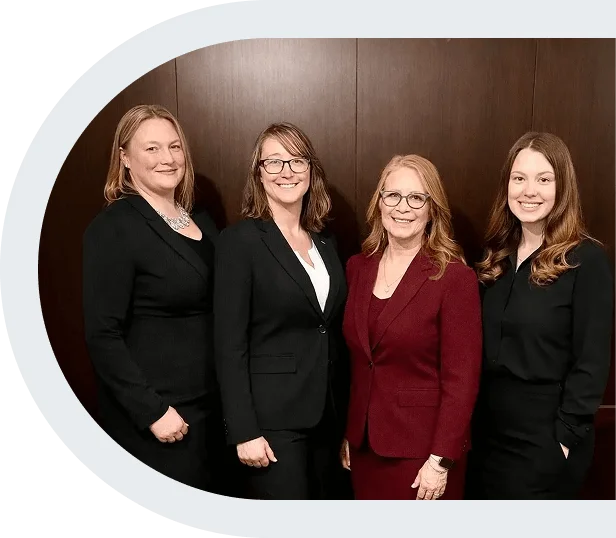
Meet Hammond Law Group Team
At Hammond Law Group, our estate planning attorneys work together to create meaningful, lasting estate plans for Colorado families. Each member of our team shares a commitment to personal connection, clear communication, and compassionate service.





Professional Associations






Questions or Schedule A Consultation? Click to Call (719) 520-1474
Questions or Schedule A Consultation? Click to Call (719) 520-1474
our Recent Blogs

This Year, Finally Check Estate Planning Off Your List
This Is the Year You Finally Check It Off the List There’s something…


How Is Trust Handled After Death in Colorado?
When a loved one passes away, many families face a difficult question:…

Local Law Firm Encourages Community to Re-Imagine Their Relationship with Death
Colorado Springs, CO., September 25, 2017 – Hammond Law Group of Colorado…
Our Locations
Hammond Law Group PC
Colorado Springs, CO
2955 Professional Place, Ste 300, Colorado Springs, CO 80904
(719) 520-1474
(719) 520-1474
Hammond Law Group PC
Denver, CO
865 Albion Street, Ste 250, Denver, CO 80220
(303) 736-6060
(303) 736-6060