



Three Ways a Living Trust May Benefit an Estate Plan
Start Planning Your FutureA living trust is an estate planning tool that is often used as a will substitute. The benefit is that, if done properly, a trust can keep your family completely out of the legal probate process when you pass away.
When you create a trust, you transfer assets such as a home, financial accounts and personal property to the trust. These assets are then managed for your benefit during your lifetime, and either continue to be held and managed or transferred to your beneficiaries when you die.
The creator of the trust, also called the grantor, normally names him or herself as the initial trustee in charge of managing the assets, which allows them to remain in control of the assets during their lifetime. For all practical purposes, nothing changes in the way the grantor manages or controls the assets after they are put in trust, often the only difference is the named owner.
A successor trustee is named within the trust document, usually a family member or friend but sometimes an institution such as a bank, law firm or trust company may take over Trustee duties. This successor trustee then will manage the trust assets for the benefit of the grantor if the grantor becomes disabled and for the named beneficiaries after the grantor dies.
Living trusts have become popular tools in estate planning over the past decade, but how do they benefit an estate plan?
1. Living trusts and avoiding probate
Trusts allow property to avoid probate when you die, as you do not own the property, the trust does. But this benefit may be somewhat overused, as only property held within your name will be subject to probate, not jointly owned property. Thus, the living trust may benefit estates that have a large amount of property in sole ownership.
2. Living trusts and establishing a blueprint
A living trust sets up a ‘blueprint’ of sorts for handling your property should you become incapacitated, as a successor Trustee can take over at that time. You are also able to specify your wishes within the trust documents, right down to how you would like money to be spent.
3. Living trusts and maintaining privacy
Living trusts are normally private documents, while wills become public record when filed in Probate Court, thus many prefer using a living trust as a will substitute to keep a family’s financial affairs private.
A Living Trust attorney can advise you whether it’s within the best interests of your estate plan to create a living trust, as well as other approaches that may benefit your particular needs.
Start Planning Your Future
Contact Us & We’ll Guide You Through Your Next Steps!
Required Fields*
Your Information Is Safe With Us.
We respect your privacy. The information you provide will be used to answer your question or to schedule an appointment if requested.
Our Practice Areas in Colorado Springs and Denver
At Hammond Law Group, we focus on helping Colorado families build strong, forward-looking estate plans that protect assets and preserve family harmony.


Real Clients, Real Reviews

Getting Started Has Never Been Easier — Attend a Workshop or Webinar
At Hammond Law Group, we believe that the foundation of good estate planning lies in knowledge and understanding. Our approach starts with education. Join our highly informative workshop on wills, trusts, estate planning, and more, where we provide you with comprehensive information to get you started in designing your personalized plan.
By attending our workshop or webinar, you not only … exclusive offer of a complimentary consultation with an experienced attorney
(a $500-750 value).
Our workshops fill up quickly so reserve your seat today.
Your Experienced Estate Planning & Elder Law Advisors
We have a team-centered approach. While each client’s family works with one attorney, our attorneys regularly discuss the design of our plans with each other in order to ensure we’re doing everything possible to help you meet your goals.
In addition, each client works primarily with one paralegal, who gets to know you and your estate plan intimately through the design and
implementation process. The biggest complaint people have about
lawyers is lack of communication, and by working as a team we have
virtually eliminated this complaint for our clients.
Learn more about our family and then let us learn more about yours.
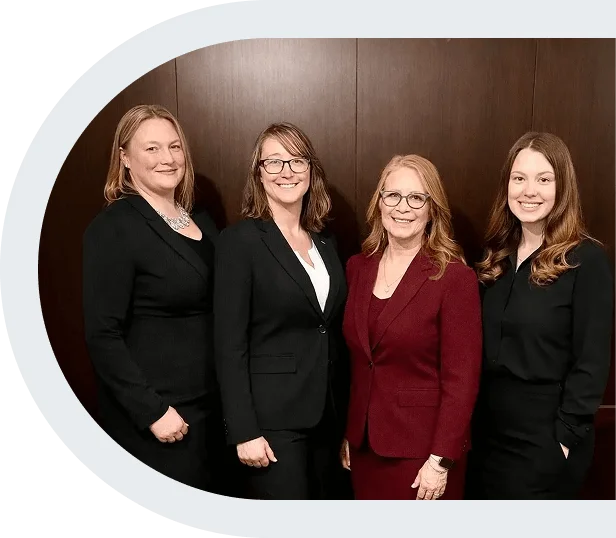
Meet Hammond Law Group Team
At Hammond Law Group, our estate planning attorneys work together to create meaningful, lasting estate plans for Colorado families. Each member of our team shares a commitment to personal connection, clear communication, and compassionate service.





Professional Associations






Questions or Schedule A Consultation? Click to Call (719) 520-1474
Questions or Schedule A Consultation? Click to Call (719) 520-1474
our Recent Blogs

This Year, Finally Check Estate Planning Off Your List
This Is the Year You Finally Check It Off the List There’s something…


How Is Trust Handled After Death in Colorado?
When a loved one passes away, many families face a difficult question:…

Local Law Firm Encourages Community to Re-Imagine Their Relationship with Death
Colorado Springs, CO., September 25, 2017 – Hammond Law Group of Colorado…
Our Locations
Hammond Law Group PC
Colorado Springs, CO
2955 Professional Place, Ste 300, Colorado Springs, CO 80904
(719) 520-1474
(719) 520-1474
Hammond Law Group PC
Denver, CO
865 Albion Street, Ste 250, Denver, CO 80220
(303) 736-6060
(303) 736-6060