



Home Ownership and Estate Planning
Start Planning Your FutureDo you know your home ownership type? If not, you should, as it impacts your will and your estate plan. It is stated on your deed and often within your property tax records. The four most common forms of home ownership are:
Sole Ownership/Fee Simple:
Ownership of property by one person; People who own property in a fee simple form may sell it, rent it out, transfer it to their heirs, and even limit its use in the future.
Tenancy in Common:
In a title held as a tenancy in common, each owner has an undivided interest in the entire property. Each tenant has the right to possession of the whole property. There is no right of survivorship. If one tenant in common dies, that tenant’s interest in the property will be part the estate and pass by inheritance to the heirs rather than to the other tenant. There is a presumption that a conveyance to two or more persons is a tenancy in common if it is not otherwise stated.
Register for our Free Webinar:
Why Your Will Isn’t Enough
Tenancy by the Entirety:
A co-ownership available only to a husband and wife in which if a house is to be sold or refinanced both parties must agree beforehand. Should one spouse die, the house/property goes to the surviving spouse automatically. In addition, tenancy by the entirety protects a spouse’s interest in the property from the other spouse’s creditors. It differs from joint tenancy in one major respect: neither party can voluntarily dispose of her or his interest in the property. In the case of Divorce, the tenancy by the entirety becomes a tenancy in common, and the right of survivorship is lost.
Many found that this ownership form is rooted in the common-law theory that a husband and wife are one single legal entity. Many states have eliminated this form of ownership, believing that it is inconsistent with today’s view of women.
Joint Tenancy:
Joint tenancy is an equal undivided ownership of property by two or more people. During their lifetimes, any of the owners may sell their interests to whomever they choose. If property is owned in joint tenancy, the surviving joint tenant will receive the deceased joint tenant’s interest in the property, regardless of what that person’s will or trust says about the property.
As you can see, the type of ownership can not only impact your will and estate plan, but also the tax burden on your estate. As tax laws evolve and financial status changes, it’s important to review home ownership, wills and estate plans and keep them up to date and consistent with your goals.
For more information on joint tenancy or estate planning, go to our workshop page to register for one of our upcoming estate planning workshops.
Start Planning Your Future
Contact Us & We’ll Guide You Through Your Next Steps!
Required Fields*
Your Information Is Safe With Us.
We respect your privacy. The information you provide will be used to answer your question or to schedule an appointment if requested.
Our Practice Areas in Colorado Springs and Denver
At Hammond Law Group, we focus on helping Colorado families build strong, forward-looking estate plans that protect assets and preserve family harmony.


Real Clients, Real Reviews

Getting Started Has Never Been Easier — Attend a Workshop or Webinar
At Hammond Law Group, we believe that the foundation of good estate planning lies in knowledge and understanding. Our approach starts with education. Join our highly informative workshop on wills, trusts, estate planning, and more, where we provide you with comprehensive information to get you started in designing your personalized plan.
By attending our workshop or webinar, you not only … exclusive offer of a complimentary consultation with an experienced attorney
(a $500-750 value).
Our workshops fill up quickly so reserve your seat today.
Your Experienced Estate Planning & Elder Law Advisors
We have a team-centered approach. While each client’s family works with one attorney, our attorneys regularly discuss the design of our plans with each other in order to ensure we’re doing everything possible to help you meet your goals.
In addition, each client works primarily with one paralegal, who gets to know you and your estate plan intimately through the design and
implementation process. The biggest complaint people have about
lawyers is lack of communication, and by working as a team we have
virtually eliminated this complaint for our clients.
Learn more about our family and then let us learn more about yours.
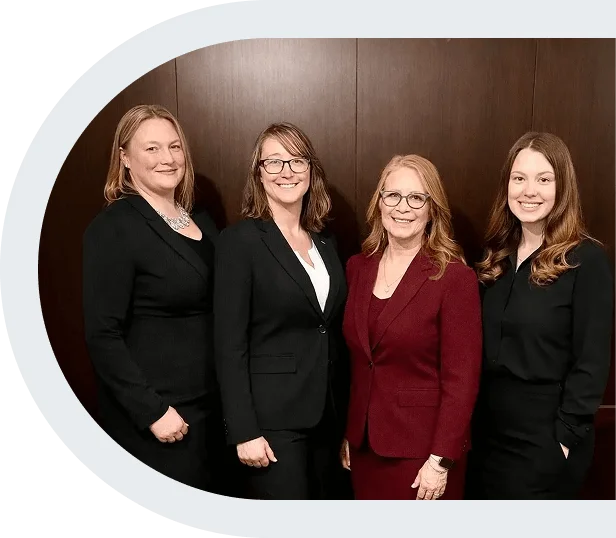
Meet Hammond Law Group Team
At Hammond Law Group, our estate planning attorneys work together to create meaningful, lasting estate plans for Colorado families. Each member of our team shares a commitment to personal connection, clear communication, and compassionate service.





Professional Associations





Questions or Schedule A Consultation? Click to Call (719) 520-1474
Questions or Schedule A Consultation? Click to Call (719) 520-1474
our Recent Blogs

This Year, Finally Check Estate Planning Off Your List
This Is the Year You Finally Check It Off the List There’s something…


How Is Trust Handled After Death in Colorado?
When a loved one passes away, many families face a difficult question:…

Local Law Firm Encourages Community to Re-Imagine Their Relationship with Death
Colorado Springs, CO., September 25, 2017 – Hammond Law Group of Colorado…
Our Locations
Hammond Law Group PC
Colorado Springs, CO
2955 Professional Place, Ste 300, Colorado Springs, CO 80904
(719) 520-1474
(719) 520-1474
Hammond Law Group PC
Denver, CO
865 Albion Street, Ste 250, Denver, CO 80220
(303) 736-6060
(303) 736-6060