



Brain Death, Coma, and PVS
Start Planning Your FutureThe recent news stories involving Jahi McMath and Marlise Munoz have both involved the issue of brain death. As these cases grew to become national news events, millions of people began asking themselves important questions. What is brain death? What happens to me if I am brain dead? What do I want my doctors to do if I should ever be in such a state?
Making knowledgeable medical decisions is based upon having a basic understanding of important terms like brain death, comas, and persistent vegetative states. Here is the basic information you need to know.
Brain Death
A brain-dead person is someone who shows no signs of activity in either the higher or lower brain.
Brains are incredibly complicated organs, with trillions of connections between different nerve cells. Brains are also comprised of different areas, each of which plays different roles. Put simply, our brains can be divided into two general areas: the lower brain and the higher brain. The higher brain controls cognitive functions such as thought and emotion, while the lower brain controls basic physiological processes, such as respiration and heart rate.
When physicians use the term brain death, they are referring to a lack of activity in both areas of the brain. Some people who are brain dead can have their physiological processes kept going by the use of machines, but their brains are not involved in this process. Further, the higher brain functions involved in cognition are gone.
Persistent Vegetative State
A persistent vegetative state, or PVS, occurs when a person loses the higher brain functions but maintains activity in the lower brain. Someone with PVS can maintain his or her heart rate, breathing, and other physiological processes without the aid of machines, but does not have any cognitive function. In very rare situations a person with PVS can recover cognitive functions, but this is by far the exception to the norm.
Coma
Someone who is comatose does not give any outward appearance of any kind of brain activity, even though that person’s brain is still showing activity in both higher and lower parts. Comatose people typically recover within several days or several weeks, though there are situations when someone can remain comatosed for years or longer. Further, doctors will sometimes intentionally place someone into a comatose state in order to give that person’s body the ability to better heal itself.
A person in a coma is neither brain dead nor in a persistent vegetative state. Though someone in a coma can still suffer significant brain damage, that person’s brain still maintains activity throughout the period in which that person is comatosed.
How to Plan
It is important to plan for situations such as these. Hammond Law Group has Estate Planning workshops regularly that can help people plan in the event of incapacitation. To register for these workshops, visit our workshop page or call us at (719) 520-1474 or (719) 520-1474.
Start Planning Your Future
Contact Us & We’ll Guide You Through Your Next Steps!
Required Fields*
Your Information Is Safe With Us.
We respect your privacy. The information you provide will be used to answer your question or to schedule an appointment if requested.
Our Practice Areas in Colorado Springs and Denver
At Hammond Law Group, we focus on helping Colorado families build strong, forward-looking estate plans that protect assets and preserve family harmony.


Real Clients, Real Reviews
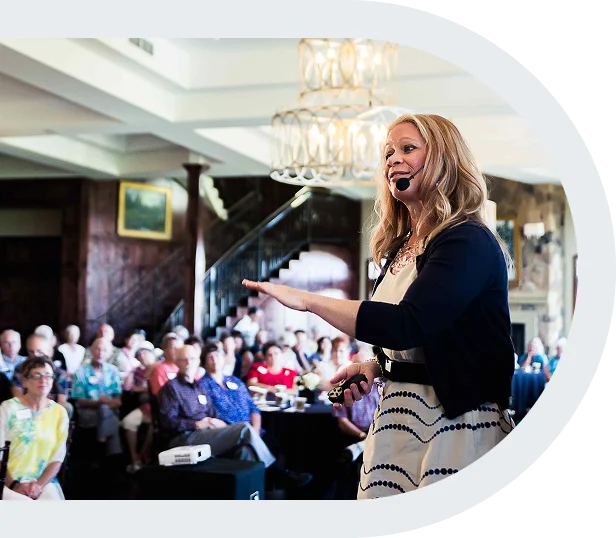
Getting Started Has Never Been Easier — Attend a Workshop or Webinar
At Hammond Law Group, we believe that the foundation of good estate planning lies in knowledge and understanding. Our approach starts with education. Join our highly informative workshop on wills, trusts, estate planning, and more, where we provide you with comprehensive information to get you started in designing your personalized plan.
By attending our workshop or webinar, you not only … exclusive offer of a complimentary consultation with an experienced attorney
(a $500-750 value).
Our workshops fill up quickly so reserve your seat today.
Your Experienced Estate Planning & Elder Law Advisors
We have a team-centered approach. While each client’s family works with one attorney, our attorneys regularly discuss the design of our plans with each other in order to ensure we’re doing everything possible to help you meet your goals.
In addition, each client works primarily with one paralegal, who gets to know you and your estate plan intimately through the design and
implementation process. The biggest complaint people have about
lawyers is lack of communication, and by working as a team we have
virtually eliminated this complaint for our clients.
Learn more about our family and then let us learn more about yours.
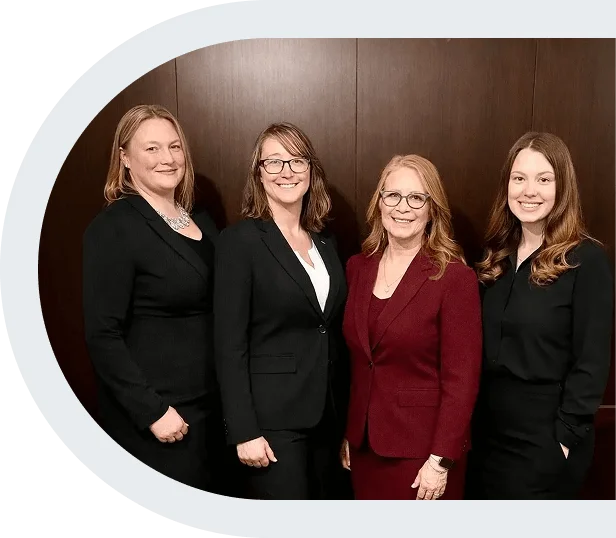
Meet Hammond Law Group Team
At Hammond Law Group, our estate planning attorneys work together to create meaningful, lasting estate plans for Colorado families. Each member of our team shares a commitment to personal connection, clear communication, and compassionate service.





Professional Associations






Questions or Schedule A Consultation? Click to Call (719) 520-1474
Questions or Schedule A Consultation? Click to Call (719) 520-1474
our Recent Blogs

This Year, Finally Check Estate Planning Off Your List
This Is the Year You Finally Check It Off the List There’s something…


How Is Trust Handled After Death in Colorado?
When a loved one passes away, many families face a difficult question:…

Local Law Firm Encourages Community to Re-Imagine Their Relationship with Death
Colorado Springs, CO., September 25, 2017 – Hammond Law Group of Colorado…
Our Locations
Hammond Law Group PC
Colorado Springs, CO
2955 Professional Place, Ste 300, Colorado Springs, CO 80904
(719) 520-1474
(719) 520-1474
Hammond Law Group PC
Denver, CO
865 Albion Street, Ste 250, Denver, CO 80220
(303) 736-6060
(303) 736-6060