



Will Basics: What Wills Cover, and What They Don’t
Start Planning Your FutureSometimes, one of the most important tasks an estate planning attorney does is to educate people about essential legal documents such as last wills and testaments. Wills are key pieces of every estate plan, regardless of the other elements you might choose to use. Whether you are wealthy, just starting out, have children, are single, married, or anything else, your will allows you to address some very important legal issues. It is also something that does not address other, equally vital, topics. To better understand wills and the issues involved, let’s take a look at some important concepts.
Wills and Individually Owned Property
If there is one thing you should understand about wills, it’s that they give you the ability to make inheritance decisions about your individually owned property. If you should die without a will, Colorado law will determine who will become your legal heirs. A will allows you to change this. Through your will you can select almost anyone you like as your legal heirs. This can be relatives, friends, associates, charities, educational institutions, or anyone else.
Wills and Non-Probate Property Transfers
It’s also important to understand that not all of the property you own will pass in accordance to the terms you state in your will. Some property, known as non-probate property, is not subject to the terms of your will. People will inherit this non-probate property automatically upon your death.
For example, let’s say that you and a sibling own a home as joint owners with a right of survivorship. Should your sibling die, you’ll automatically become the sole owner of that property. Similarly, if you have a life insurance policy, the beneficiary of your policy will receive the benefit regardless of what your will states.
Wills and Living Wills
A common misconception a lot of people have about wills is that they address your medical choices. This is absolutely not true. A will is a legal document that only takes effect after you are dead. Dead people have no medical decisions they need to make.
If you are concerned about making medical decisions in case you become incapacitated, what you need is a living will. Living wills, also known as advance medical directives, give you the ability to state your medical wishes. Should you become incapacitated, your doctors will have to follow the choices you’ve made in your living will.
A living will and a last will and testament are very different documents. You cannot create one and expect it to do the jobs the other can do. This is why it’s so essential to create all estate planning documents within the broader context of creating a comprehensive plan.
To learn more about wills and the benefits of have a trust, come to one of our free workshops in March. Register online or by calling (719) 520-1474 or (719) 520-1474
Start Planning Your Future
Contact Us & We’ll Guide You Through Your Next Steps!
Required Fields*
Your Information Is Safe With Us.
We respect your privacy. The information you provide will be used to answer your question or to schedule an appointment if requested.
Our Practice Areas in Colorado Springs and Denver
At Hammond Law Group, we focus on helping Colorado families build strong, forward-looking estate plans that protect assets and preserve family harmony.


Real Clients, Real Reviews

Getting Started Has Never Been Easier — Attend a Workshop or Webinar
At Hammond Law Group, we believe that the foundation of good estate planning lies in knowledge and understanding. Our approach starts with education. Join our highly informative workshop on wills, trusts, estate planning, and more, where we provide you with comprehensive information to get you started in designing your personalized plan.
By attending our workshop or webinar, you not only … exclusive offer of a complimentary consultation with an experienced attorney
(a $500-750 value).
Our workshops fill up quickly so reserve your seat today.
Your Experienced Estate Planning & Elder Law Advisors
We have a team-centered approach. While each client’s family works with one attorney, our attorneys regularly discuss the design of our plans with each other in order to ensure we’re doing everything possible to help you meet your goals.
In addition, each client works primarily with one paralegal, who gets to know you and your estate plan intimately through the design and
implementation process. The biggest complaint people have about
lawyers is lack of communication, and by working as a team we have
virtually eliminated this complaint for our clients.
Learn more about our family and then let us learn more about yours.
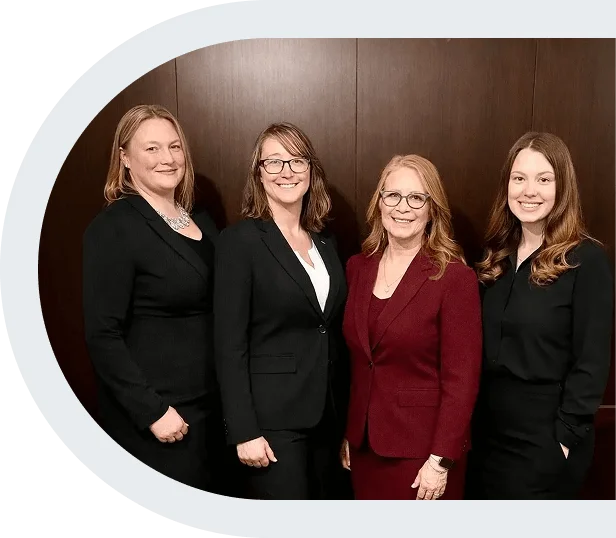
Meet Hammond Law Group Team
At Hammond Law Group, our estate planning attorneys work together to create meaningful, lasting estate plans for Colorado families. Each member of our team shares a commitment to personal connection, clear communication, and compassionate service.





Professional Associations





Questions or Schedule A Consultation? Click to Call (719) 520-1474
Questions or Schedule A Consultation? Click to Call (719) 520-1474
our Recent Blogs

This Year, Finally Check Estate Planning Off Your List
This Is the Year You Finally Check It Off the List There’s something…


How Is Trust Handled After Death in Colorado?
When a loved one passes away, many families face a difficult question:…

Local Law Firm Encourages Community to Re-Imagine Their Relationship with Death
Colorado Springs, CO., September 25, 2017 – Hammond Law Group of Colorado…
Our Locations
Hammond Law Group PC
Colorado Springs, CO
2955 Professional Place, Ste 300, Colorado Springs, CO 80904
(719) 520-1474
(719) 520-1474
Hammond Law Group PC
Denver, CO
865 Albion Street, Ste 250, Denver, CO 80220
(303) 736-6060
(303) 736-6060