


Read Our Reviews

Attend a Workshop or Webinar

Attend a Workshop

Medical Incapacity Planning Terms You Should Know – Part 1

Schedule A consultation

People in the Colorado Springs, Colorado area who create an incapacity plan should have a basic understanding of some important medical terms and definitions. When you create an incapacity plan you will look ahead to the future and make choices about the kind of care and treatment you want to receive if you ever become incapacitated. Understanding the common causes of incapacitation, as well as what happens to people who suffer from various types of medical conditions, can be a great help when you are considering the kind of care you wish to accept or refuse. So today, in our first part of a two-part series on medical incapacity planning terms you should know, we are going to take a look at some of the more common terms associated with physical and mental incapacitation.

Medical Incapacity Planning Terms

  • Dementia. Dementia is a kind of umbrella term that applies to numerous medical conditions and situations. Someone who is suffering from dementia has experienced a decline in their cognitive abilities. They are no longer able to think clearly, recall memories, or understand the circumstances in which they currently are. Dementia is not a single condition, but rather a spectrum of conditions that range in severity from very minor to very serious. People suffering from more serious forms of dementia are unable to perform even the most basic of daily abilities, while someone with minor dementia may not exhibit any major symptoms. Some people refer to dementia as “senility,” though this term is not widely used by medical professionals.
  • Alzheimer’s Disease. Alzheimer’s disease is a kind of dementia, and a very common medical condition in seniors and the elderly. The sixth-leading cause of death in the United States, Alzheimer’s disease is degenerative, meaning it gets worse as a person gets older. There are no known cures or treatments for Alzheimer’s disease, and like other forms of dementia, people with it can display a wide range of symptoms.
  • Global Cognitive Impairment. A person with global cognitive impairment has suffered an injury or illness that has almost completely degraded their higher mental abilities. People with global cognitive impairment are unable to recognize other people, understand their surroundings, make judgments, or even express themselves. Someone with global cognitive impairment is almost completely mentally incapacitated.
  • Immobilization. To contrast cognitive impairments against physical impairments, there is immobilization. When a person is immobilized, that person has lost the ability to control one or more parts of his or her body. A person with severe arthritis, for example, might lose the ability to control his or her hands. While immobilization results in disability, it doesn’t necessarily mean that the person’s ability to make decisions is affected.

Call us if you have more questions!

Incapacitation can be an uncomfortable subject to talk about, but it’s important to communicate with your family your wishes.  If you have more questions about medical incapacity, please contact us!  We look forward to serving you.

Ask A Question,
Tell Us Your Situation, &
Get A Consultation

Contact Form

Required Fields*

Your Information Is Safe With Us.

Our Practice Areas in Colorado Springs and Denver

At Hammond Law Group, we focus on helping Colorado families build strong, forward-looking estate plans that protect assets and preserve family harmony.

Real Clients, Real Reviews
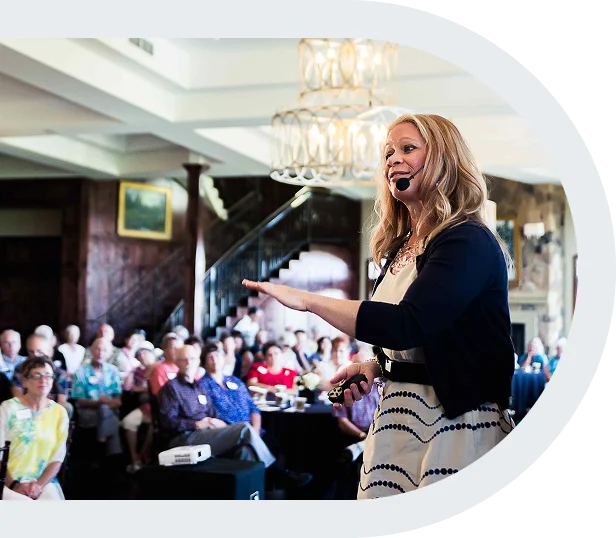
Getting Started Has Never Been Easier — Attend a Workshop or Webinar

At Hammond Law Group, we believe that the foundation of good estate planning lies in knowledge and understanding. Our approach starts with education. Join our highly informative workshop on wills, trusts, estate planning, and more, where we provide you with comprehensive information to get you started in designing your personalized plan.

By attending our workshop or webinar, you not only … exclusive offer of a complimentary consultation with an experienced attorney
(a $500-750 value).

Our workshops fill up quickly so reserve your seat today.

Attend a Public Workshop

Your Experienced Estate Planning & Elder Law Advisors

We have a team-centered approach. While each client’s family works with one attorney, our attorneys regularly discuss the design of our plans with each other in order to ensure we’re doing everything possible to help you meet your goals.

In addition, each client works primarily with one paralegal, who gets to know you and your estate plan intimately through the design and
implementation process. The biggest complaint people have about
lawyers is lack of communication, and by working as a team we have
virtually eliminated this complaint for our clients.

Learn more about our family and then let us learn more about yours.
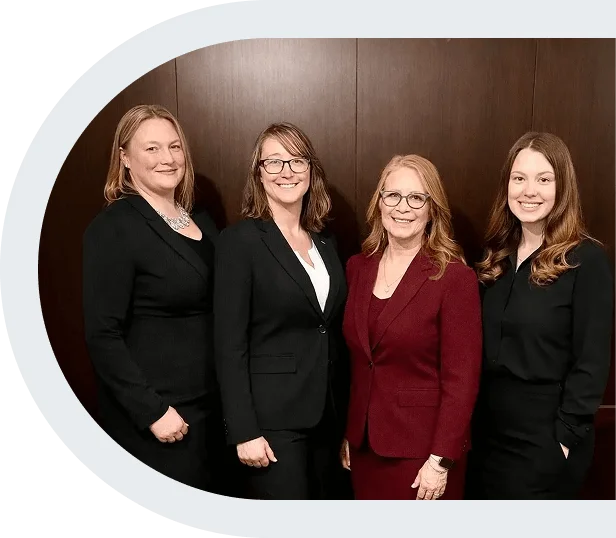
Meet Hammond Law Group Team

At Hammond Law Group, our estate planning attorneys work together to create meaningful, lasting estate plans for Colorado families. Each member of our team shares a commitment to personal connection, clear communication, and compassionate service.


Professional Associations

our Recent Blogs

CO, estate planning firm commemorates 20 years of serving Colorado families. Call (719) 520-1474 to register for a free educational estate planning workshop.

Hammond Law Group Celebrates 20 Years of Serving Colorado Families

Colorado Springs, CO — Hammond Law Group PC proudly celebrates a major…

Catherine Hammond, Esq.
November 27, 2025

What Is the Difference Between a Will and a Trust in Colorado?

You’ve worked hard to create a life you’re proud of, with a…

Catherine Hammond, Esq.
November 22, 2025

How Family Secrets Made This Probate Feel Impossible

When Family Secrets Complicate Probate: A Real-Life Case Study Alan Wyatt thought…

Brian
September 6, 2025

Our Locations