



Read Our Reviews

Attend a Workshop or Webinar

Attend a Workshop

Choosing Between a Will and a Power of Attorney

Schedule A consultation

Some people who start estate planning in the Colorado Springs or Centennial area in Colorado ask if they need to choose between a will and a power of attorney. While this question is understandable, it reflects a misunderstanding of what these two key estate planning tools do. To help clarify why you won’t have to choose between a will and a power of attorney, and why your plan will probably include both tools, let’s take a look at some important issues.

Will and a Power of Attorney: Representatives

A power of attorney is a document through which you can appoint one or more representatives who can make choices for you or who can represent your interests when dealing with third-parties. Most powers of attorney focus on one of two important estate planning areas: health care and financial decision-making abilities. When you create a power of attorney you appoint an agent, also called an attorney-in-fact, and grant that person or organization the right to make decisions for you.

A last will and testament, on the other hand, is quite different. Your will is a document through which you can make inheritance choices, name an executor of your estate, appoint a guardian for your children, and other choices. The choices you make through your will take effect after you die, and the people or representatives you appoint to certain positions through your will have no authority until after you die.

Will and a Power of Attorney: Effectiveness

A power of attorney allows you to appoint a representative who can act for you while you are still alive. Once you die, the decision-making authority your agent has immediately terminates. (Technically, the power terminates as soon as your agent learns of your death, or when the agent learns that you have become incapacitated and the agent does not have durable power of attorney.) Your agent can only make decisions you have the ability to make, so once you die and lose your ability to make any decisions, your agent loses that ability as well.

A will, on the other hand, allows you to make choices that only apply after you die. For example, if you choose an executor of your estate in your will, the person or organization you choose has no legal authority to manage your property until you’ve died. Further, as long as you remain mentally capable, you can change the terms your will whenever you like as long as you do so in accordance with state law. The people you choose through your will have no authority to stop you from changing the document.

Upcoming Estate Planning Workshops

For more information about Wills and Power of Attorney, be sure to attend one of our workshops in September. Our workshops are presented by our own knowledgeable attorneys. After the workshop we offer a complementary consultation with one of our attorneys that we can schedule at a time that works best for you. Click here to register today!

Ask A Question,
Tell Us Your Situation, &
Get A Consultation

Contact Form

Required Fields*

Your Information Is Safe With Us.

Our Practice Areas in Colorado Springs and Denver

At Hammond Law Group, we focus on helping Colorado families build strong, forward-looking estate plans that protect assets and preserve family harmony.

Real Clients, Real Reviews

Getting Started Has Never Been Easier — Attend a Workshop or Webinar

At Hammond Law Group, we believe that the foundation of good estate planning lies in knowledge and understanding. Our approach starts with education. Join our highly informative workshop on wills, trusts, estate planning, and more, where we provide you with comprehensive information to get you started in designing your personalized plan.

By attending our workshop or webinar, you not only … exclusive offer of a complimentary consultation with an experienced attorney
(a $500-750 value).

Our workshops fill up quickly so reserve your seat today.

Attend a Public Workshop

Your Experienced Estate Planning & Elder Law Advisors

We have a team-centered approach. While each client’s family works with one attorney, our attorneys regularly discuss the design of our plans with each other in order to ensure we’re doing everything possible to help you meet your goals.

In addition, each client works primarily with one paralegal, who gets to know you and your estate plan intimately through the design and
implementation process. The biggest complaint people have about
lawyers is lack of communication, and by working as a team we have
virtually eliminated this complaint for our clients.

Learn more about our family and then let us learn more about yours.
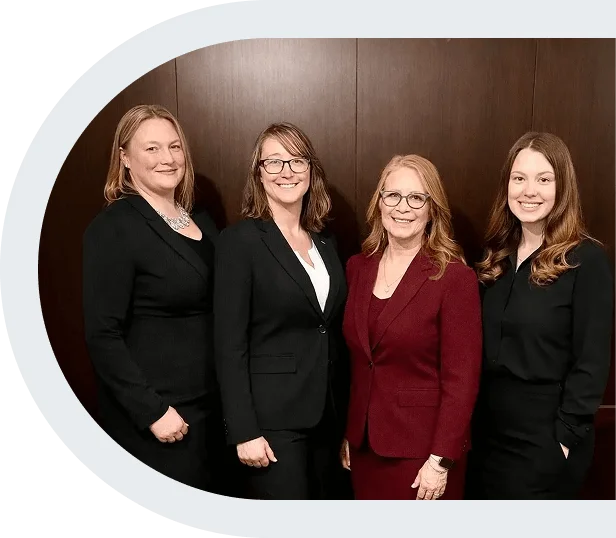
Meet Hammond Law Group Team

At Hammond Law Group, our estate planning attorneys work together to create meaningful, lasting estate plans for Colorado families. Each member of our team shares a commitment to personal connection, clear communication, and compassionate service.


Professional Associations

our Recent Blogs

CO, estate planning firm commemorates 20 years of serving Colorado families. Call (719) 520-1474 to register for a free educational estate planning workshop.

Hammond Law Group Celebrates 20 Years of Serving Colorado Families

Colorado Springs, CO — Hammond Law Group PC proudly celebrates a major…

Catherine Hammond, Esq.
November 27, 2025

What Is the Difference Between a Will and a Trust in Colorado?

You’ve worked hard to create a life you’re proud of, with a…

Catherine Hammond, Esq.
November 22, 2025

How Family Secrets Made This Probate Feel Impossible

When Family Secrets Complicate Probate: A Real-Life Case Study Alan Wyatt thought…

Brian
September 6, 2025

Our Locations