



How Is Trust Handled After Death in Colorado?
Start Planning Your Future
When a loved one passes away, many families face a difficult question: how is a trust handled after death under Colorado laws? You may be sorting through estate planning documents, reviewing the person’s trust, or stepping into a role you didn’t expect. It’s common to seek clarity about what the administration process looks like, who takes the lead, and how the instructions in the trust guide the next steps.
In Colorado, a trust does not settle itself automatically. It activates a legal arrangement that requires organization, communication, and a clear reading of the trust document. You follow Colorado laws, manage trust assets, communicate with beneficiaries, and distribute property according to the grantor’s wishes.
The sections that follow outline how trust administration works in Colorado and what happens when the trustee begins carrying out the terms in the document.
At a Glance
- The trustee begins the trust administration process once the person who created the trust dies.
- Colorado laws guide the trustee’s fiduciary duty, asset management, communication with named beneficiaries, and distribution steps.
- Trust assets such as real property, bank accounts, investments, and business interests remain outside probate when properly titled.
- The trustee manages trust assets, maintains accurate records, handles trust-related tax filings, and follows the terms outlined in the trust document.
- Probate may still occur when assets remain outside the trust, when a pour-over will transfers items into the trust, or when a personal representative must handle creditor issues.
- Asset distribution follows the grantor’s wishes, including structured gifts, special needs trust funding, or discretionary distributions made in good faith by the trustee.
- Trustees often work with a trust administration law firm for guidance, Colorado laws compliance, and asset management support.
How a Trust Takes Effect After the Grantor’s Death
A trust becomes fully active once the person who created the trust (grantor) dies. At that point, the trustee or trust administrator focuses on the assets held in the trust, communicates with interested parties, and reviews the trust document to confirm the terms outlined by the grantor. Colorado laws treat a trust as a legal arrangement that continues to operate after death, and the trustee follows those instructions as written.
If the trust was properly funded during the grantor’s lifetime, the assets held in the trust completely avoids probate. Probate may still apply if there is property outside the trust or to items that pass through the valid will before being transferred into the trust.
A pour-over will often accompanies a trust and directs assets not already titled in the trust to move into it after death. Both documents support a comprehensive estate plan and guide the trustee’s administration duties.
Core Duties of the Trustee During Trust Administration
When you serve as a trustee, you accept a fiduciary duty under Colorado laws. That duty requires careful asset management and consistent communication with named beneficiaries. The trust administration process includes many tasks, and you may find that the work becomes time consuming during the first several weeks.
Colorado’s Uniform Trust Code also requires trustees to act impartially when beneficiaries have different interests and to use reasonable care, skill, and caution when managing trust assets.
A trustee handles responsibilities such as:
- Reviewing the trust document and estate planning documents
- Notifying named beneficiaries and other interested parties
- Securing bank accounts, real estate, investments, and business interests held in the trust
- Managing trust assets according to the terms outlined in the document
- Complying with tax laws that apply to trust income or trust-related filings
- Maintaining accurate records of trust transactions
- Responding to questions from beneficiaries
- Paying valid expenses or obligations permitted under the terms of the trust
- Preparing asset distribution after trust obligations are complete
Colorado trust laws regulate trustee conduct. A trustee who acted improperly or failed to meet the legal requirements associated with fiduciary duty may face legal action, so clear documentation protects the trustee and the estate.
Trustees also have a statutory duty to keep qualified beneficiaries reasonably informed about the trust’s administration and to provide periodic reports that list trust assets, liabilities, receipts, and disbursements.
Many families in the Colorado Springs area appoint a trusted family member, trust administration lawyer, estate attorney, or even a trust company to serve in this role. A trustee with extensive knowledge of estate law often moves more confidently through the administration steps.
Identifying, Securing, and Managing Trust Assets
The next phase involves identifying the assets involved in the person’s trust and confirming whether they are properly titled. This includes:
- Real estate
- Bank accounts held in the name of the trust
- Brokerage accounts and life insurance
- Business interests
- Items designated for minor children
- Property transferred into irrevocable trusts for asset protection
You then manage assets until distribution. Some trusts require long-term asset management for beneficiaries, while others provide instructions for distributing assets after trust-related expenses and filings are complete.
Colorado law requires trustees to take reasonable steps to collect, safeguard, and preserve trust property, including keeping trust assets separate from personal property and obtaining records related to the assets.
If property is not titled in the name of the trust, the personal representative of the probate estate may need to work with the trustee. In blended estates, you may coordinate with both roles as part of a larger estate preparation plan.
Communicating With Named Beneficiaries and Interested Parties
Colorado laws require the trustee to notify named beneficiaries and other interested parties when the administration of the trust begins. This notice includes providing the trustee’s name, address, and telephone number, along with information about the trustee’s acceptance of the role and the beneficiary’s right to request portions of the trust document.
Family dynamics often influence how conversations unfold. Beneficiaries may ask about asset protection strategies, timing of distributions, business interests, or whether they can review portions of the trust document. The trustee responds according to the document and the regulations that apply under Colorado laws.
In rare cases, someone may raise concerns about the validity of the trust or claim the trustee acted improperly. These matters may lead to trust contests, which can pause certain steps until the conflict resolves.
Paying Debts, Filing Taxes, and Completing Required Tasks
Before distributing assets, the trustee addresses financial responsibilities connected to the trust. Colorado laws give trustees authority to:
- Pay valid expenses permitted under the terms outlined in the trust document.
- File trust income tax returns and manage tax laws that apply to trust assets, business interests, or investments.
- Coordinate with the personal representative when matters fall outside the trustee’s responsibilities, including personal debts of the deceased or obligations that require probate oversight.
An important aspect of trust administration is keeping accurate records. Accurate records help demonstrate that the trustee managed trust assets properly and distributed property according to the instructions in the document. Trustees who manage assets for multiple beneficiaries also document trust transactions to show how decisions were made.
Distributing Assets According to the Grantor’s Wishes
Once trust-related obligations are complete, the trustee can begin distributing assets based on the instructions the grantor left. Asset distribution may include:
- Transfers of real property titled in the trust
- Distributions from bank accounts and investments held in the trust
- Transfers to a special needs trust
- Structured distributions for beneficiaries
- Long-term oversight of funds for minor children
The trustee works through these steps in the order set out in the trust document. When the trust grants discretionary authority, the trustee must exercise that discretion in good faith and in line with the trust’s purposes and the interests of the beneficiaries.
Frequently Asked Questions
Q: Who manages trust assets after someone dies?
A: The trustee named in the trust document manages trust assets after the person who created the trust dies. This includes reviewing legal documents, communicating with named beneficiaries, handling trust-related tax filings, and carrying out the grantor’s wishes according to Colorado laws. A personal representative manages probate assets, while the trustee focuses only on trust property.
Q: Does a trust avoid probate in Colorado?
A: A properly funded trust avoids probate for assets titled in the name of the trust. Probate may still occur if property was not transferred into the trust, when a pour-over will directs remaining assets into the trust, or when a personal representative must handle creditor claims. Trust administration and probate may move forward at the same time when both roles are required.
Q: What if beneficiaries disagree with the trustee’s decisions?
A: Beneficiaries may raise concerns if they believe the trustee acted improperly or did not follow the terms outlined in the trust document. Colorado laws allow the court to review matters involving fiduciary duty or trust contests. Trustees often work with trust attorneys or trust administration attorneys for guidance when disputes arise or when interpretation of the trust document is needed.
Support for Colorado Families Handling Trust Administration
Administering a trust after a loved one’s death can involve asset management, communication with beneficiaries, creditor issues, and making decisions guided by Colorado laws. If you’re working through these steps or evaluating a person’s trust and need legal help, Hammond Law Group, PC offers legal services for families in Colorado Springs, Denver, and surrounding communities.
Our trust administration attorneys provide guidance by assisting trustees, beneficiaries, and clients who want to understand the trust administration process and estate planning options. If you’re exploring your options or want to understand how the trust administration process works in Colorado, we invite you to begin by attending one of our free educational estate planning workshops.
These workshops give Colorado residents a practical look at how wills, living trusts, and other estate planning documents work and how trust administration fits into the broader administration of an estate.
After attending a workshop, you will have the opportunity to meet with one of our attorneys for a complimentary consultation to discuss your trust questions, review your situation, and talk through the next steps. You can register for a workshop or webinar on our website or by calling (719) 520-1474.
At Hammond Law Group, we help you build a Better Life. Better Legacy.
Copyright © 2026. Hammond Law Group PC. All rights reserved.
The information in this blog post (“post”) is provided for general informational purposes only and may not reflect the current law in your jurisdiction. No information in this post should be construed as legal advice from the individual author or the law firm, nor is it intended to be a substitute for legal counsel on any subject matter. No reader of this post should act or refrain from acting based on any information included in or accessible through this post without seeking the appropriate legal or other professional advice on the particular facts and circumstances at issue from a lawyer licensed in the recipient’s state, country, or other appropriate licensing jurisdiction.
Hammond Law Group, PC
2955 Professional Place, Suite 300
Colorado Springs, CO 80904
(719) 520-1474
https://coloradoestateplan.com
Our Practice Areas in Colorado Springs and Denver
At Hammond Law Group, we focus on helping Colorado families build strong, forward-looking estate plans that protect assets and preserve family harmony.


Real Clients, Real Reviews

Getting Started Has Never Been Easier — Attend a Workshop or Webinar
At Hammond Law Group, we believe that the foundation of good estate planning lies in knowledge and understanding. Our approach starts with education. Join our highly informative workshop on wills, trusts, estate planning, and more, where we provide you with comprehensive information to get you started in designing your personalized plan.
By attending our workshop or webinar, you not only … exclusive offer of a complimentary consultation with an experienced attorney
(a $500-750 value).
Our workshops fill up quickly so reserve your seat today.
Your Experienced Estate Planning & Elder Law Advisors
We have a team-centered approach. While each client’s family works with one attorney, our attorneys regularly discuss the design of our plans with each other in order to ensure we’re doing everything possible to help you meet your goals.
In addition, each client works primarily with one paralegal, who gets to know you and your estate plan intimately through the design and
implementation process. The biggest complaint people have about
lawyers is lack of communication, and by working as a team we have
virtually eliminated this complaint for our clients.
Learn more about our family and then let us learn more about yours.
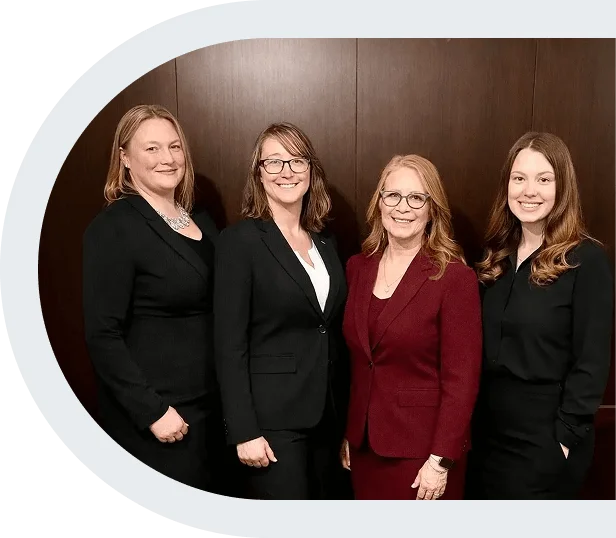
Meet Hammond Law Group Team
At Hammond Law Group, our estate planning attorneys work together to create meaningful, lasting estate plans for Colorado families. Each member of our team shares a commitment to personal connection, clear communication, and compassionate service.





Professional Associations





CONTACT US NOW FOR A COMPLIMENTARY DISCOVERY SESSION — CLICK TO CALL (719) 520-1474
CONTACT US NOW FOR A COMPLIMENTARY DISCOVERY SESSION — CLICK TO CALL (719) 520-1474
our Recent Blogs

This Year, Finally Check Estate Planning Off Your List
This Is the Year You Finally Check It Off the List There’s something…

How Is Trust Handled After Death in Colorado?
When a loved one passes away, many families face a difficult question:…

Local Law Firm Encourages Community to Re-Imagine Their Relationship with Death
Colorado Springs, CO., September 25, 2017 – Hammond Law Group of Colorado…
Our Locations
Hammond Law Group PC
Colorado Springs, CO
2955 Professional Place, Ste 300, Colorado Springs, CO 80904
(719) 520-1474
(719) 520-1474
Mon – Fri: 8:30AM – 5:00PM
Hammond Law Group PC
Denver, CO
865 Albion Street, Ste 250, Denver, CO 80220
(303) 736-6060
(303) 736-6060
Mon – Fri: 8:30AM – 5:00PM