



Probate and Trust Administration
Start Planning Your Future
If you’re a Colorado resident and own real estate when you die (or when both you and the joint tenant have died, if you own it in joint tenancy), your family will go through probate. Your Will does not keep your estate out of probate, it simply acts as a guide for the court during the probate process.
Even if you don’t own real estate, if the total of all of your assets without beneficiary designations, combined, is at least $80,000 in 2023 (bank accounts, investments, a business, vehicles, coin collections, furniture, etc.), your family will still have to go through probate upon your death.
Is probate a bad thing?
In Colorado, probate is not as bad as it is in some other states, and better than it used to be. But people rarely get through probate and talk about how easy it was or how they wouldn’t mind going through it again. Why is that?
Probate takes time. It’s not unusual for it to take a year or two, even if there aren’t any real complications.
Probate also takes money. The executor, the court, and the lawyer are all entitled to payment. The number of assets, level of complexity, and amount of family fighting all help determine how expensive your probate will be (and family conflict is virtually impossible to predict!). We’ve heard many stories of the lawyer getting most (or all) of a loved one’s estate at death. In addition, in probate all of your assets and distributions must be listed and become part of the court record. If you’re at all concerned about privacy, you might want to avoid probate.
There are a couple of ways to avoid probate…
Beneficiary Designations
If you list beneficiaries on every single asset you own, you might be able to avoid probate at death. This includes bank accounts, investments, and even real estate. This does not work for some types of investments, promissory notes, business interests, or personal property, so if you have $64,000 or more in those types of assets this option will not work for you.
How do I list a beneficiary on my real estate? If you live in Colorado, you can execute a Beneficiary Deed, which would give your property directly to the chosen beneficiaries upon your death. There are many drawbacks to a Beneficiary Deed, including loss of some control, ineligibility for Medicaid benefits, and many others. Discuss this option thoroughly with an estate planning attorney before choosing this.
Even if you’re able to name beneficiaries on all of your assets, you still have a potential problem if you become incapacitated. Learn more about the issues and possible solutions…
Revocable Living Trust
A Living Trust is simply an empty, theoretical box that you own and control. It allows you to tuck all of your assets into one nice, neat treasure chest and continue living your life exactly as you had before. It’s simply standing by, waiting for you to need it, which happens if you become incapacitated or when you die (and we know that at least one of these is going to happen to every single one of us, right?).
When you become incapacitated, the Living Trust allows your Co-Trustee to continue managing your affairs without any interference from the lawyers or the government. If you don’t have a Co-Trustee (like a spouse) who was already acting as Trustee, your Successor Trustee would step in and have full authority to take care of things according to your instructions in the Trust.
When you die, a Living Trust allows your Trustee to take care of wrapping things up, paying your bills, and distributing your assets to your beneficiaries, without any need for probate. So it skips over the lengthy probate process (at least 6 months in Colorado, but typically 1-2 years) as well as the hassle and expense of dealing with probate.
While Trusts are typically more expensive to set up than Wills, the savings on legal bills at disability and death often make it the most cost-effective way to plan.
Important note: We have reviewed hundreds of Living Trusts drafted by other attorneys, and just because a document says “Living Trust” at the top does not mean that it will actually work. A good Trust should be lengthy, to cover every possible contingency, drafted by an attorney with a lot of experience specifically with Trusts, and who helps you actually transfer the assets into your Trust. The single biggest reason we see so many Living Trusts fail to accomplish people’s goals is that they were not properly funded. As with most things in life, you typically get what you pay for.
For more information
Not sure whether a Will or Trust is right for the foundation of your estate plan?
Register for one of our upcoming Estate Planning Workshops to get all the details.
Call our office at 719-520-1474 or 303-736-6060
or use the button below to schedule a Personal Consultation
Our Practice Areas in Colorado Springs and Denver
At Hammond Law Group, we focus on helping Colorado families build strong, forward-looking estate plans that protect assets and preserve family harmony.


Real Clients, Real Reviews

Getting Started Has Never Been Easier — Attend a Workshop or Webinar
At Hammond Law Group, we believe that the foundation of good estate planning lies in knowledge and understanding. Our approach starts with education. Join our highly informative workshop on wills, trusts, estate planning, and more, where we provide you with comprehensive information to get you started in designing your personalized plan.
By attending our workshop or webinar, you not only … exclusive offer of a complimentary consultation with an experienced attorney
(a $500-750 value).
Our workshops fill up quickly so reserve your seat today.
Your Experienced Estate Planning & Elder Law Advisors
We have a team-centered approach. While each client’s family works with one attorney, our attorneys regularly discuss the design of our plans with each other in order to ensure we’re doing everything possible to help you meet your goals.
In addition, each client works primarily with one paralegal, who gets to know you and your estate plan intimately through the design and
implementation process. The biggest complaint people have about
lawyers is lack of communication, and by working as a team we have
virtually eliminated this complaint for our clients.
Learn more about our family and then let us learn more about yours.
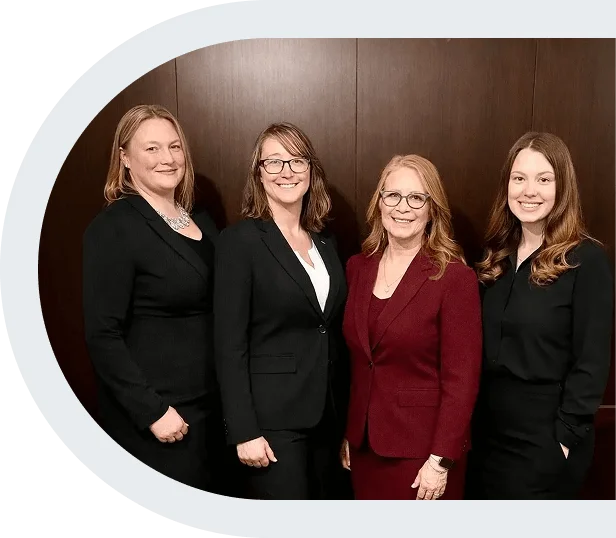
Meet Hammond Law Group Team
At Hammond Law Group, our estate planning attorneys work together to create meaningful, lasting estate plans for Colorado families. Each member of our team shares a commitment to personal connection, clear communication, and compassionate service.





Professional Associations






CONTACT US NOW FOR A COMPLIMENTARY DISCOVERY SESSION — CLICK TO CALL (719) 520-1474
CONTACT US NOW FOR A COMPLIMENTARY DISCOVERY SESSION — CLICK TO CALL (719) 520-1474
our Recent Blogs

This Year, Finally Check Estate Planning Off Your List
This Is the Year You Finally Check It Off the List There’s something…


How Is Trust Handled After Death in Colorado?
When a loved one passes away, many families face a difficult question:…

Local Law Firm Encourages Community to Re-Imagine Their Relationship with Death
Colorado Springs, CO., September 25, 2017 – Hammond Law Group of Colorado…
Our Locations
Hammond Law Group PC
Colorado Springs, CO
2955 Professional Place, Ste 300, Colorado Springs, CO 80904
(719) 520-1474
(719) 520-1474
Mon – Fri: 8:30AM – 5:00PM
Hammond Law Group PC
Denver, CO
865 Albion Street, Ste 250, Denver, CO 80220
(303) 736-6060
(303) 736-6060
Mon – Fri: 8:30AM – 5:00PM