



Colorado Springs Trust Lawyer
Develop trust planning strategies to manage, preserve, and transfer assets efficiently while maintaining control and flexibility.
Call Now | Complimentary Discovery Session
If you own any assets—whether real estate, vehicles, or bank accounts—they deserve protection when you’re here and after you’re gone.
A trust is an empty, theoretical box that you own and control, allowing you to tuck all of your assets into one nice, neat treasure chest and continue living your life exactly as you had before.
It’s simply standing by, waiting for you to need it, which happens if you become incapacitated or when you die.
Trusts shield your hard-earned money from Uncle Sam and lawyers, ensuring more stays within your family. They can also help you avoid probate, expediting asset transfer and protecting your affairs from prying eyes.
There’s a trust type for every situation, all of which can be tailored to match your family dynamics. Have a blended family? Ensure equitable distribution. Aspiring to fund higher education or provide for a loved one with special needs? Our Colorado Springs trust lawyer is here to help.
Don’t let the courts dictate your legacy; let us help you protect it. Contact us and start planning for your future today.
Which Type of Trust is Right For You?
Establishing a trust offers numerous benefits for individuals and families. It allows for the efficient and seamless transfer of assets to beneficiaries, ensuring that your loved ones are taken care of according to your wishes.
Trusts also provide privacy, as they don’t go through probate in Colorado, a public process. By avoiding probate, trust assets can be distributed more quickly, saving time and costs.
Trusts generally involve three parties: the grantor (person creating the trust), the trustee (person or institution managing the trust), and the beneficiaries (those who receive the trust’s benefits). The specific terms and conditions of each trust dictate how assets are managed, distributed, and protected to meet the grantor’s intentions while benefiting the beneficiaries.
Many types of trusts can be used to protect and manage assets for the benefit of individuals or organizations. Here are a few common types of trusts and how they work.
Revocable Living Trust
A revocable living trust allows you to control your assets during your lifetime and determine how they will be distributed after your death. You can make changes or revoke the trust if your circumstances change. A living trust also provides protection and security in the case of incapacity. Because there is no wait time for courts to approve the transfer of assets, your successor trustees have immediate access to your resources to help you, avoiding court-appointed conservatorship. This is the most common type of trust and is recommended for homeowners and others who want to keep their estate out of living probate (conservatorship) and probate upon their death.
Irrevocable Trust
Once an irrevocable trust is established, it cannot be altered or revoked without the beneficiaries’ consent and/or a court process. Assets placed in an irrevocable trust are typically shielded from estate taxes and may provide creditor protection. By placing assets in an irrevocable trust, you may be able to qualify for Medicaid benefits if long-term care is needed without depleting your estate. For individuals in professions prone to lawsuits, an irrevocable trust can help protect assets from legal claims.
Testamentary Trust
Created through a will, this trust only takes effect after your death. It allows you to specify how your assets will be managed and distributed to beneficiaries. The trust enables you to appoint a trustee to manage assets on behalf of minor children until they reach a certain age or milestone. It can also be designed to include structured distributions that safeguard beneficiaries from quickly depleting their inheritance. Testamentary trusts are only set up after your will goes through probate.
Special Needs Trust
Designed to benefit individuals with disabilities, a special needs trust ensures that persons with disabilities can receive funds without jeopardizing their eligibility for government assistance programs like SSI and Medicaid. This trust can provide financial support for medical expenses, therapy, education, and other needs not covered by public assistance programs. Families can have peace of mind knowing that their loved one’s needs will be taken care of even after their passing.
Charitable Trust
This trust allows you to donate assets to a charitable organization while receiving tax benefits. The assets are managed for the charity’s benefit, and you may also receive income from the trust. By establishing a charitable trust, you can leave a lasting impact on causes and organizations that are important to you.
Safeguard Your Assets With Our Comprehensive Trust Services
When it comes to managing your assets and protecting your legacy, trusts provide a secure and reliable solution. Our trust services offer guidance and personalized solutions to safeguard your assets for future generations, giving you peace of mind and ensuring your wishes are fulfilled. Here’s how we help you:
Trust Creation
Creating a trust can be a complex process and must be done well in order to be effective, but our team is here to guide you every step of the way. We understand the importance of identifying your goals, accurately reflecting your wishes in a legally binding and comprehensive trust document, and properly funding your trust .
With our attention to detail and deep knowledge of Colorado probate and trust statutes, we will ensure that your trust is properly established, valid, enforceable, fully funded, and meets all legal requirements. We will work closely with you to understand your situation, goals, and objectives, offering advice to help you make informed decisions during the trust creation process.
Trust Maintenance
Once your trust is established, proper maintenance must ensure that your assets are managed and according to your instructions, that you maintain proper funding of your trust, and that it continues to meet your goals and reflect your values even as your family, assets, and the law change over time. Our team can assist you in naming a trustee who will act as the fiduciary responsible for carrying out your wishes.
We will help you establish clear guidelines and provide ongoing support to ensure the trust administration process goes as smoothly as possible and aligns with your intentions when you become incapacitated or pass away. Whether it involves managing investments, handling distributions, working through disagreements, or addressing administrative tasks, we are here to offer guidance to ensure your trust is effectively maintained throughout your lifetime and that trust administration works as smoothly as possible at your incapacity or death.
Trust Modification and Termination
Life is full of changes, and your trust provisions may need to be modified to reflect these new circumstances or changes in the law. Our attorneys are well-versed in trust law and can guide you through making amendments to your trust.
Whether you need to add or remove beneficiaries, change distribution instructions, or update any other provisions, we will ensure that your wishes remain up-to-date and legally enforceable. Additionally, if you decide to terminate a trust altogether, we can provide the necessary guidance to navigate the process while ensuring compliance with all legal requirements.
Contact Our Colorado Springs Trust Lawyer Today
If you are seeking professional guidance in creating or administering a trust in Colorado Springs, our attorneys are here to help. With our extensive legal knowledge, personalized approach, and comprehensive range of trust services, we are committed to protecting your assets and ensuring your peace of mind.
Contact us today to schedule a consultation and start planning for your future.
Contact Us
We tailor our concierge approach with educational workshops and strategic consultations to carefully align with your family’s needs and goals.
Take your first step and start planning your future today.
Required Fields*
Your Information Is Safe With Us.
We respect your privacy. The information you provide will be used to answer your question or to schedule an appointment if requested.
Our Practice Areas in Colorado Springs and Denver
At Hammond Law Group, we focus on helping Colorado families build strong, forward-looking estate plans that protect assets and preserve family harmony.


Real Clients, Real Reviews

Getting Started Has Never Been Easier — Attend a Workshop or Webinar
At Hammond Law Group, we believe that the foundation of good estate planning lies in knowledge and understanding.Our approach starts with education. Join our highly informative workshop on wills, trusts, estate planning, and more, where you will get comprehensive information to start designing your personalized plan. Cut through the confusion around estate planning and start designing your plan today…
By attending our workshop, you not only gain invaluable insights, but you also receive an exclusive offer. A complimentary one-hour meeting with a dedicated attorney within two weeks of attending the workshop — a $500 value.
Our workshops fill up quickly so reserve your seat today.
Your Experienced Estate Planning & Elder Law Advisors
We have a team-centered approach. While each client’s family works with one attorney, our attorneys regularly discuss the design of our plans with each other in order to ensure we’re doing everything possible to help you meet your goals.
In addition, each client works primarily with one paralegal, who gets to know you and your estate plan intimately through the design and
implementation process. The biggest complaint people have about
lawyers is lack of communication, and by working as a team we have
virtually eliminated this complaint for our clients.
Learn more about our family and then let us learn more about yours.
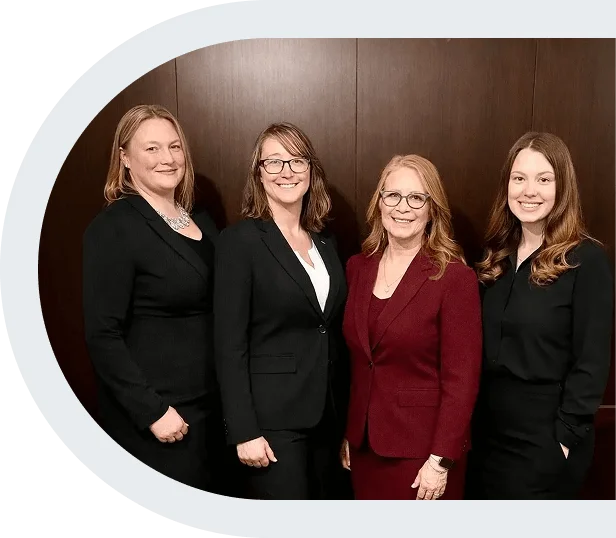
Meet Hammond Law Group Team
At Hammond Law Group, our estate planning attorneys work together to create meaningful, lasting estate plans for Colorado families. Each member of our team shares a commitment to personal connection, clear communication, and compassionate service.





Professional Associations




CONTACT US NOW FOR A COMPLIMENTARY DISCOVERY SESSION — CLICK TO CALL (719) 520-1474
CONTACT US NOW FOR A COMPLIMENTARY DISCOVERY SESSION — CLICK TO CALL (719) 520-1474
Frequently Asked Questions About Trust in Colorado Springs
What is the role of a trustee?
A trustee is the person or entity responsible for managing the trust assets and carrying out the terms outlined in the trust document. They have a fiduciary duty to act in the best interests of the beneficiaries and are legally obligated to follow the instructions provided by the grantor.
How is a trust created?
To create a trust, the grantor must sign a trust document that outlines the terms and conditions of the trust. This document must also specifically enumerate all necessary powers for the trustee to carry out their duties. The grantor then transfers assets into the trust, formally establishing it. The trust document should specify the trustee, beneficiaries, distribution of assets, and many other important details.
How do I fund a trust?
Funding a trust involves transferring ownership of assets from the grantor to the trust. This typically includes retitling assets such as real estate, bank accounts, investment accounts, business entities, and other valuable possessions in the name of the trust. It is essential to consult with an attorney or financial advisor to ensure proper funding.
Can a trust be changed or revoked?
A revocable trust can be modified or revoked by the grantor during their lifetime as long as they are mentally competent to do so. On the other hand, an irrevocable trust generally cannot be changed without the beneficiaries’ consent or by court order.
Are trusts only for wealthy individuals?
No, trusts are not only for the wealthy. While they offer various benefits for high-net-worth individuals, trusts are beneficial for anyone who wants to protect their assets, provide for their loved ones, or avoid living or death probate. Trusts can be tailored to fit individual needs and financial situations.
our Recent Blogs
This Year, Finally Check Estate Planning Off Your List
This Is the Year You Finally Check It Off the List There’s something…


How Is Trust Handled After Death in Colorado?
When a loved one passes away, many families face a difficult question:…

Local Law Firm Encourages Community to Re-Imagine Their Relationship with Death
Colorado Springs, CO., September 25, 2017 – Hammond Law Group of Colorado…
Our Locations
Hammond Law Group PC
Colorado Springs, CO
2955 Professional Place, Ste 300, Colorado Springs, CO 80904
(719) 520-1474
(719) 520-1474
Mon – Fri: 8:30AM – 5:00PM
Hammond Law Group PC
Denver, CO
865 Albion Street, Ste 250, Denver, CO 80220
(303) 736-6060
(303) 736-6060
Mon – Fri: 8:30AM – 5:00PM