



Ahead of the Game: A Beginner’s Guide to IRA Distribution Rules and Beneficiary Designations for Estate Planning
Start Planning Your Future
Understanding the rules governing IRA distributions
One of the most important aspects of planning for retirement is making sure that your retirement accounts are properly structured to ensure maximum benefit to you and your beneficiaries. One key element of this planning is understanding the rules governing IRA distributions. These rules can have a significant impact on your retirement income and your legacy. Here we will discuss the 5 most important rules on IRA distributions and how your retirement accounts and their beneficiary designations fit into your estate plan.
5 Important IRA Distribution Rules
Rule #1: Required Minimum Distributions (RMDs)
One of the most important rules governing IRA distributions is the requirement to take Required Minimum Distributions (RMDs) from certain types of retirement accounts once you reach age 72. This requirement applies to Traditional IRAs, SEP IRAs, SIMPLE IRAs, and employer-sponsored retirement plans such as 401(k)s and 403(b)s.
The amount of your RMD is based on your age and the balance in your account(s) at the end of the previous year. Failure to take the required distribution can result in a 50% penalty on the amount that should have been withdrawn. SECURE 2.0 Act drops the excise tax rate to 25%; possibly 10% if the RMD is timely corrected within two years, but it is still crucial to stay on top of your RMDs and ensure that you are taking the correct amount each year.
Rule #2: Qualified Charitable Distributions (QCDs)
For those who are charitably inclined, a powerful strategy for managing IRA distributions is to make Qualified Charitable Distributions (QCDs). A QCD allows you to direct a portion of your RMD to a qualified charity, up to a maximum of $100,000 per year. The advantage of this strategy is that the distribution is not included in your taxable income, which can help reduce your tax bill and potentially lower your Medicare premiums.
It is important to note that QCDs can only be made from Traditional IRAs, and not from other types of retirement accounts such as 401(k)s or Roth IRAs. Additionally, QCDs must be made directly from the IRA custodian to the charity in question – you cannot receive the distribution and then donate it yourself.
Rule #3: Inherited IRA Distributions
Another important rule governing IRA distributions relates to inherited IRAs. If you are the beneficiary of an IRA, the rules for distributions may differ depending on your relationship to the original account holder, as well as when they passed away.
If you inherit an IRA from a spouse, you have the option to roll the account over into your own name and delay distributions until you reach age 72. This can be a valuable strategy for managing your tax liability and potentially growing the account over time.
If you inherit an IRA from someone other than a spouse, you are generally required to take distributions over your lifetime. The amount of your RMD is based on your age and the balance in the account at the end of the previous year. However, recent changes to the law have shortened the timeframe for taking these distributions – under the SECURE Act, most beneficiaries must now deplete the account within 10 years of the original account holder’s death.
Rule #4: Roth IRA Distributions
Roth IRAs are a unique type of retirement account, as contributions are made on an after-tax basis and qualified withdrawals are tax-free. As a result, the rules for Roth IRA distributions differ from those governing Traditional IRAs.
One key advantage of Roth IRAs is that they are not subject to RMDs during your lifetime. This means that you can continue to hold and potentially grow the account for as long as you like, without having to worry about taking distributions.
However, if you inherit a Roth IRA from someone other than a spouse, you will generally be required to take RMDs over your lifetime. These distributions will be tax-free but will still need to be managed carefully.
IRAs and Estate Planning.
When you first put your estate plan in place, your attorney should make specific recommendations regarding your beneficiaries and whether you should name individuals or a trust. Once you receive that advice, you will fill out the appropriate paperwork to make sure your IRA beneficiaries are in place and correct.
Understand the basic rules governing IRA distributions. Make sure your IRA beneficiary designations for your retirement accounts are up to date. Failing to do so can result in unintended consequences and potentially costly mistakes. For example, if you neglect to update your beneficiary designations after a divorce or the birth of a child, your retirement assets may end up going to the wrong people.
To avoid these issues, it is important to review your beneficiary designations periodically and ensure that they reflect your current wishes. This can be especially important if you have complex family dynamics or want to ensure that your assets are distributed in a specific way.
When it comes to fitting your retirement accounts into your estate plan, it can be valuable to work with both a financial planning and an estate planning firm. Choose a firm that helps you understand your estate planning goals, knows how your finances can achieve those goals and finally a firm that knows the tax ramifications of your plans.
Call us today to schedule a personal consultation with one of our attorneys to design your estate plan.
Further reading:
Taxes and Retirement – Plan Now to Save Thousands
What Happens to Your Retirement Account When You Die?
Do Your Retirement and Estate Plans Address These Four Risks?
A Guide to the Federal Estate Tax for 2023
Are You Rich? U.S. Wealth Percentiles Might Provide Answers
Check out our workshops:

Our Practice Areas in Colorado Springs and Denver
At Hammond Law Group, we focus on helping Colorado families build strong, forward-looking estate plans that protect assets and preserve family harmony.


Real Clients, Real Reviews

Getting Started Has Never Been Easier — Attend a Workshop or Webinar
At Hammond Law Group, we believe that the foundation of good estate planning lies in knowledge and understanding. Our approach starts with education. Join our highly informative workshop on wills, trusts, estate planning, and more, where we provide you with comprehensive information to get you started in designing your personalized plan.
By attending our workshop or webinar, you not only … exclusive offer of a complimentary consultation with an experienced attorney
(a $500-750 value).
Our workshops fill up quickly so reserve your seat today.
Your Experienced Estate Planning & Elder Law Advisors
We have a team-centered approach. While each client’s family works with one attorney, our attorneys regularly discuss the design of our plans with each other in order to ensure we’re doing everything possible to help you meet your goals.
In addition, each client works primarily with one paralegal, who gets to know you and your estate plan intimately through the design and
implementation process. The biggest complaint people have about
lawyers is lack of communication, and by working as a team we have
virtually eliminated this complaint for our clients.
Learn more about our family and then let us learn more about yours.
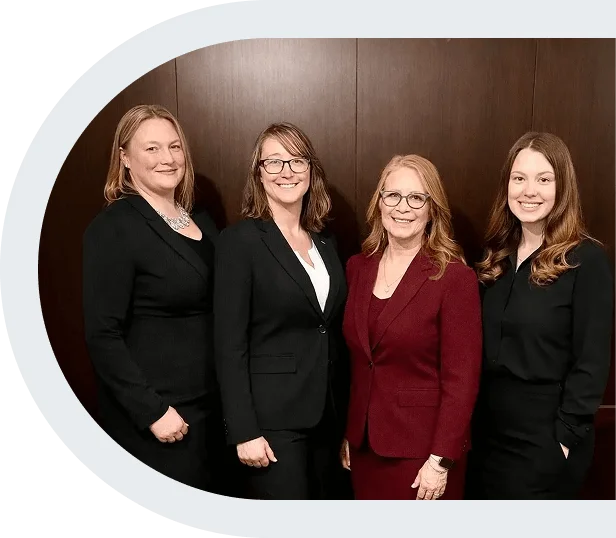
Meet Hammond Law Group Team
At Hammond Law Group, our estate planning attorneys work together to create meaningful, lasting estate plans for Colorado families. Each member of our team shares a commitment to personal connection, clear communication, and compassionate service.





Professional Associations





CONTACT US NOW FOR A COMPLIMENTARY DISCOVERY SESSION — CLICK TO CALL (719) 520-1474
CONTACT US NOW FOR A COMPLIMENTARY DISCOVERY SESSION — CLICK TO CALL (719) 520-1474
our Recent Blogs

This Year, Finally Check Estate Planning Off Your List
This Is the Year You Finally Check It Off the List There’s something…


How Is Trust Handled After Death in Colorado?
When a loved one passes away, many families face a difficult question:…

Local Law Firm Encourages Community to Re-Imagine Their Relationship with Death
Colorado Springs, CO., September 25, 2017 – Hammond Law Group of Colorado…
Our Locations
Hammond Law Group PC
Colorado Springs, CO
2955 Professional Place, Ste 300, Colorado Springs, CO 80904
(719) 520-1474
(719) 520-1474
Mon – Fri: 8:30AM – 5:00PM
Hammond Law Group PC
Denver, CO
865 Albion Street, Ste 250, Denver, CO 80220
(303) 736-6060
(303) 736-6060
Mon – Fri: 8:30AM – 5:00PM