



2019 Estate Tax Tips: The Estate Tax and Gift Tax
Schedule A consultationThe Estate Tax
In 2001, Congress passed a law that raised the amount that could pass without tax, increasing it in steps from $675,000 in 2001, to $3.5 million in 2009. Then, in 2010, the estate tax was repealed for one year only—2010. However, late in 2010, Congress brought the estate tax back with yet another new law: TRA 2010. The law made three major changes. These changes involved the applicable exclusion amount, the tax rate, and a new portability provision. TRA 2010 set the amount that could pass without tax at $5 million (adjusted for inflation) per person for 2010-2012.
But, TRA 2010 was temporary and these changes were set to expire at the end of 2012. After TRA 2010’s expiration, the amount that could be passed free from tax would have gone back down to $1 million.
However, Congress passed another law: ATRA. This law repealed the expiration provision in TRA 2010, thus setting the exclusion to $5 million (inflation adjusted) for estate, gift and generation-skipping purposes. The rate is capped at 40%.
In late 2017, Congress passed yet another tax law, which doubled the exemption to $10 million (adjusted for inflation from the 2011 base year). However, after 2025, that law “sunsets” or expires, and the law reverts to the prior law’s “permanent” $5 million exemption (adjusted for inflation from the base year of 2011).
Estate Tax Exclusion
As you know, not everyone’s assets are subject to the estate tax. Each person gets what’s called an “estate tax exclusion.” This is the amount of property that can be passed to your heirs and beneficiaries free of the estate tax at the time of your death. Under current law, the exclusion amount is temporarily set to $10 million, adjusted for inflation annually.
Estate Tax Rate
If the value of your estate exceeds the applicable estate tax exclusion amount and ends up being subject to the estate tax, the top tax rate would be 40%.
Portability
The “portability” provision from TRA 2010 is also retained in current law. Portability allows a surviving spouse to use the unused estate tax exclusion amount of the first spouse to die.
This portability provision, also known as the “Deceased Spousal Unused Exclusion Amount,” can be used to shelter the assets of the surviving spouse. In order to take advantage of portability, the estate of the first spouse to die must file an estate tax return to elect portability. However, portability may not be wise when you have a blended family or want remarriage protection or asset protection for the surviving spouse.
What happened to the gift tax under the new law?
Annual Exclusion
The annual exclusion amount for the federal gift tax is at $15,000 for 2019, and it will be adjusted for inflation in 2019 and later years.
This means that, this year, the maximum value of gifts you can give to a single recipient without filing a gift tax return and without tapping into your lifetime exclusion, (discussed below), is $15,000. Spouses can combine their annual gift tax exclusions and give gifts of up to $30,000 in value to each recipient this year.
Lifetime Exclusion
What if your annual gifts to one recipient are more than the annual exclusion amount? You can use a portion of your estate tax exclusion to make lifetime gifts, but then your exclusion would not be available at death.
You can use your whole inflation adjusted exclusion during your lifetime. Of course, then you would not have any available at death.
Gift Tax Rate
As with the estate tax, the top gift tax rate is 40%.
What Should You Do Now?
As we have seen time and time again, the tax laws continue to change – sometimes benefiting us and sometimes not. Therefore, it is important to do regular reviews of your estate plan to make sure you take full advantage of all the tax savings opportunities available, to minimize taxes whenever possible. Also, if you have had changes in your family situation (births, divorces, marriages, remarriages or deaths), an estate plan review is always prudent. Your estate plan needs to evolve and change with your life, addressing new goals and concerns you may have. If you are not sure whether a review meeting is necessary, feel free to give our office a call. We are happy to answer any questions you may have.
Don’t have an estate plan yet? Register for a free Estate Planning workshop to get started.
By the American Academy, Compliments of Hammond Law Group
Ask A Question,
Tell Us Your Situation, &
Get A Consultation
Contact Us & We’ll Guide You Through Your Next Steps!
Required Fields*
Your Information Is Safe With Us.
We respect your privacy. The information you provide will be used to answer your question or to schedule an appointment if requested.
Our Practice Areas in Colorado Springs and Denver
At Hammond Law Group, we focus on helping Colorado families build strong, forward-looking estate plans that protect assets and preserve family harmony.
Real Clients, Real Reviews

Getting Started Has Never Been Easier — Attend a Workshop or Webinar
At Hammond Law Group, we believe that the foundation of good estate planning lies in knowledge and understanding. Our approach starts with education. Join our highly informative workshop on wills, trusts, estate planning, and more, where we provide you with comprehensive information to get you started in designing your personalized plan.
By attending our workshop or webinar, you not only … exclusive offer of a complimentary consultation with an experienced attorney
(a $500-750 value).
Our workshops fill up quickly so reserve your seat today.
Your Experienced Estate Planning & Elder Law Advisors
We have a team-centered approach. While each client’s family works with one attorney, our attorneys regularly discuss the design of our plans with each other in order to ensure we’re doing everything possible to help you meet your goals.
In addition, each client works primarily with one paralegal, who gets to know you and your estate plan intimately through the design and
implementation process. The biggest complaint people have about
lawyers is lack of communication, and by working as a team we have
virtually eliminated this complaint for our clients.
Learn more about our family and then let us learn more about yours.
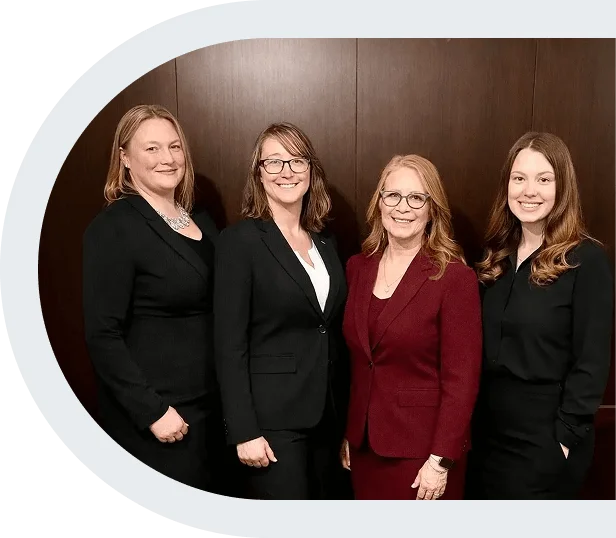
Meet Hammond Law Group Team
At Hammond Law Group, our estate planning attorneys work together to create meaningful, lasting estate plans for Colorado families. Each member of our team shares a commitment to personal connection, clear communication, and compassionate service.

Professional Associations



Questions or Schedule A Consultation? Click to Call (719) 520-1474
our Recent Blogs
Hammond Law Group Celebrates 20 Years of Serving Colorado Families
Colorado Springs, CO — Hammond Law Group PC proudly celebrates a major…

What Is the Difference Between a Will and a Trust in Colorado?
You’ve worked hard to create a life you’re proud of, with a…

How Family Secrets Made This Probate Feel Impossible
When Family Secrets Complicate Probate: A Real-Life Case Study Alan Wyatt thought…
Our Locations
Hammond Law Group PC
Colorado Springs, CO
2955 Professional Place, Ste 300, Colorado Springs, CO 80904
(719) 520-1474
(719) 520-1474
Hammond Law Group PC
Denver, CO
865 Albion Street, Ste 250, Denver, CO 80220
(303) 736-6060
(303) 736-6060