


Read Our Reviews

Attend a Workshop or Webinar

Attend a Workshop

Why Your Healthcare Wishes and Family Legacy Should be a Resolution This Year

Schedule A consultation

In November of 2017, a man was brought unconscious into a Florida Hospital emergency department. When the staff opened his shirt, they discovered a “Do Not Resuscitate” tattoo across his chest. The word “not” was underlined and a signature was beneath the words.

Now, given the extraordinary lengths this gentleman undertook to make his healthcare wishes known, did the hospital attempt to perform life-saving measures on the man?

Yes, because, as illustrated in a case study about the event, “this patient’s tattooed DNR (do not resuscitate) request produced more confusion than clarity, given concerns about its legality and likely unfounded beliefs that tattoos might represent permanent remindersIn November of 201In November of 2017, a man was brought unconscious into a Florida Hospital emergency department. When the staff opened his shirt, they discovered a “Do Not Resuscitate” tattoo across his chest. The word “not” was underlined and a signature was beneath the words.

Now, given the extraordinary lengths this gentleman undertook to make his healthcare wishes known, did the hospital attempt to perform life-saving measures on the man?

Yes, because, as illustrated in a case study about the event, “this patient’s tattooed DNR (do not resuscitate) request produced more confusion than clarity, given concerns about its legality and likely unfounded beliefs that tattoos might represent permanent remindersIn November of 2017, a man was brought unconscious into a Florida Hospital emergency department. When the staff opened his shirt, they discovered a “Do Not Resuscitate” tattoo across his chest. The word “not” was underlined and a signature was beneath the words.

Now, given the extraordinary lengths this gentleman undertook to make his healthcare wishes known, did the hospital attempt to perform life-saving measures on the man?

Yes, because, as illustrated in a case study about the event, “this patient’s tattooed DNR (do not resuscitate) request produced more confusion than clarity, given concerns about its legality and likely unfounded beliefs that tattoos might represent permanent remindersIn November of 2017, a man was brought unconscious into a Florida Hospital emergency department. When the staff opened his shirt, they discovered a “Do Not Resuscitate” tattoo across his chest. The word “not” was underlined and a signature was beneath the words.

Now, given the extraordinary lengths this gentleman undertook to make his healthcare wishes known, did the hospital attempt to perform life-saving measures on the man?

Yes, because, as illustrated in a case study about the event, “this patient’s tattooed DNR (do not resuscitate) request produced more confusion than clarity, given concerns about its legality and likely unfounded beliefs that tattoos might represent permanent reminders of regretted decisions made while the person was intoxicated.”

Once the hospital’s ethics committee became involved they advised honoring the DNR tattoo. “They suggested that it was most reasonable to infer that the tattoo expressed an authentic preference.”

However, the case study clarifies how important it is, for people who have specific wishes for their medical care, to get those requirements down in writing on a legal document. This patient literally had his healthcare preferences tattooed on his chest – and they still weren’t immediately followed.

“Estate planning documents are the kind of thing that everybody keeps planning to get around to and, still, two-thirds of Americans have no written estate plan in place,” said Catherine Hammond, attorney at the Hammond Law Group, which practices only estate planning and elder law.

If you do not have these documents prepared, or haven’t had them reviewed in a few years, it is time to make some estate planning resolutions.

Get educated. Understanding your legal needs and how to address them is a key first step. Sign up for our webinars and podcasts hosted by Catherine.


Resolution #1: A Will or Revocable Living Trust

One of the first documents to get in place is either a will or a revocable living trust.

A will is a legal document that clearly states how you would like your assets distributed after you die, as well as who will care for minor children. To ensure that your wishes are followed, it’s best that your will is prepared by an attorney, is signed by you and the necessary amount of witnesses, and clearly appoints a legal representative to carry out your requests.

A revocable living trust is a legal entity that is created to hold your assets. Unlike a will, which only goes into effect after you die, a trust is effective as soon as it is created. This type of trust can be amended (hence the term “revocable”) and can be used in place of a will.

A big difference between a will and a trust is that a will passes through probate if you own a home or other substantial assets, while a trust avoids the probate process. Because of this, a trust can save your heirs time and money.

Resolution #2: Advanced Medical Directives

Advanced medical directives are legal documents that clearly state your wishes should you become medically incapacitated and unable to communicate your wishes.

Healthcare Power of Attorney

This document authorizes a person of your choosing to make medical decisions if you’re not able to communicate your wishes. These decisions might include the type of treatment, whether or not to perform surgery, admission to a long-term care facility, or end-of-life decisions.

Living Will

This is a legal document that is very clear about the medical treatments you would and would not want in a limited set of circumstances. A living will usually covers such topics as the lengths hospital staff should go through to keep you alive, pain management, and organ donation.

Do Not Resuscitate Orders

This document indicates specifically that you do not want life-saving actions taken should your heart stop beating, such as cardiopulmonary resuscitation (CPR), tracheal intubation, and being put on a breathing machine. As the opening story illustrates, it is best to have these wishes documented on paper and not across your chest.

Resolution #3: Financial Power of Attorney

A financial power of attorney gives someone you select the legal power to act in your place should you become mentally incapacitated. For a financial power of attorney, you authorize a trusted person to handle financial transactions on your behalf, such as banking, real estate, and investment transactions. There are a variety of types of financial powers of attorney, so it’s important to understand the fine print on the document you sign.

Resolution #4: A Universal HIPAA Release

This form is extremely important – and it’s also the one that most people overlook.

Once someone turns 18 and legally becomes an adult, they fall under the Health Insurance Portability and Accountability Act (HIPAA), which protects the confidentially of their medical information.

The act prohibits healthcare providers from releasing healthcare information to anyone other than the patient. This means if an 18-year-old is in a car accident and unresponsive, doctors cannot tell his or her parents any healthcare information without approval. Mom and Dad can call the hospital, and the hospital may refuse to confirm or deny whether their child is even in the hospital.

A universal HIPAA release gives the necessary approval. Everyone listed on the form is able to know about someone’s health status, which can save a lot of heartache in a time of crisis.

Resolution #5: Update Your Current Documents

Even people who have an estate plan in place need to dust off those documents and make certain that they are still relevant to their current lifestyle.

There are a number of reasons that could lead to estate-planning documents needing to be updated, including:

  • Having a new child
  • Changing jobs that resulted in new retirement savings
  • Receiving an inheritance
  • Having less money than expected, for example , due to a costly medical issue
  • Changes in the lives of your children, like a child becoming an adult or getting married

“A lot of people think that if they don’t have their child’s spouse named in their estate plan the spouse won’t receive part of the inheritance, but that’s a myth,” said Hammond. “If your child is married when you die, typically their spouse ends up with 50 percent of their inheritance. Fortunately, if you have concerns about that spouse, there are things you can do with your estate plan today to prevent that from happening.”

This is the year to get peace of mind about your estate plan.  We’ll help you get everything properly structured and documented.  Get started here.   

Ask A Question,
Tell Us Your Situation, &
Get A Consultation

Contact Form

Required Fields*

Your Information Is Safe With Us.

Our Practice Areas in Colorado Springs and Denver

At Hammond Law Group, we focus on helping Colorado families build strong, forward-looking estate plans that protect assets and preserve family harmony.

Real Clients, Real Reviews

Getting Started Has Never Been Easier — Attend a Workshop or Webinar

At Hammond Law Group, we believe that the foundation of good estate planning lies in knowledge and understanding. Our approach starts with education. Join our highly informative workshop on wills, trusts, estate planning, and more, where we provide you with comprehensive information to get you started in designing your personalized plan.

By attending our workshop or webinar, you not only … exclusive offer of a complimentary consultation with an experienced attorney
(a $500-750 value).

Our workshops fill up quickly so reserve your seat today.

Attend a Public Workshop

Your Experienced Estate Planning & Elder Law Advisors

We have a team-centered approach. While each client’s family works with one attorney, our attorneys regularly discuss the design of our plans with each other in order to ensure we’re doing everything possible to help you meet your goals.

In addition, each client works primarily with one paralegal, who gets to know you and your estate plan intimately through the design and
implementation process. The biggest complaint people have about
lawyers is lack of communication, and by working as a team we have
virtually eliminated this complaint for our clients.

Learn more about our family and then let us learn more about yours.
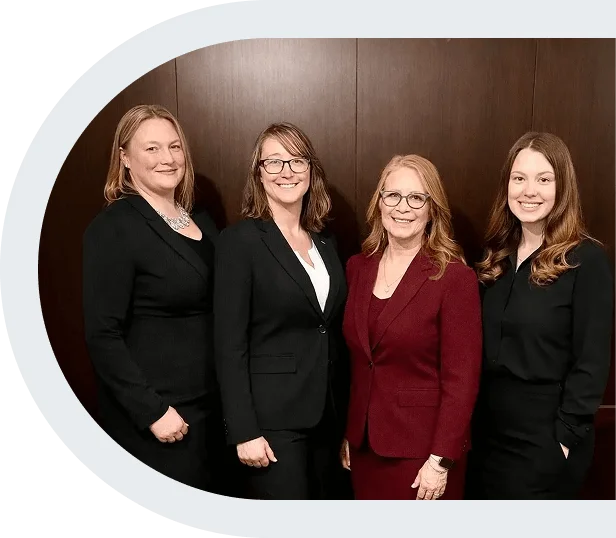
Meet Hammond Law Group Team

At Hammond Law Group, our estate planning attorneys work together to create meaningful, lasting estate plans for Colorado families. Each member of our team shares a commitment to personal connection, clear communication, and compassionate service.


Professional Associations

our Recent Blogs

CO, estate planning firm commemorates 20 years of serving Colorado families. Call (719) 520-1474 to register for a free educational estate planning workshop.

Hammond Law Group Celebrates 20 Years of Serving Colorado Families

Colorado Springs, CO — Hammond Law Group PC proudly celebrates a major…

Catherine Hammond, Esq.
November 27, 2025

What Is the Difference Between a Will and a Trust in Colorado?

You’ve worked hard to create a life you’re proud of, with a…

Catherine Hammond, Esq.
November 22, 2025

How Family Secrets Made This Probate Feel Impossible

When Family Secrets Complicate Probate: A Real-Life Case Study Alan Wyatt thought…

Brian
September 6, 2025

Our Locations